

Wine Cellar Essentials: Controlling Temperature & Humidity
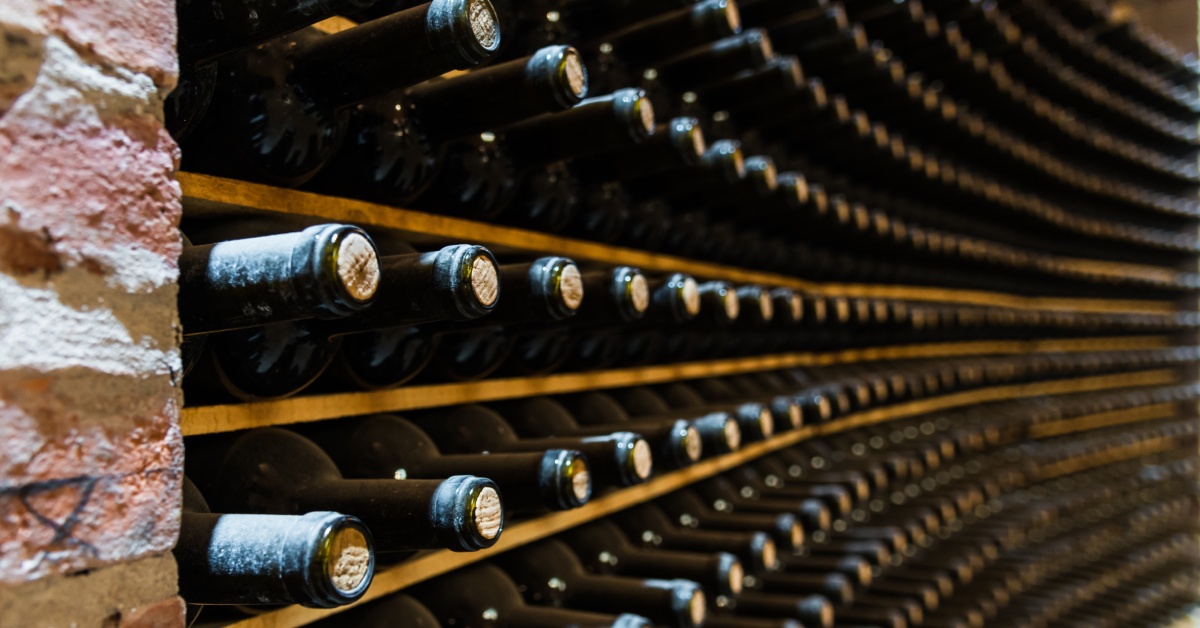
Creating the perfect environment for wine storage requires careful attention to two critical factors that can significantly impact your collection. Temperature and humidity control form the foundation of proper wine preservation, determining whether your bottles will age gracefully or deteriorate over time. Understanding these elements and implementing the right systems will protect your investment and ensure each bottle reaches its full potential.
Wine storage goes beyond simply finding a cool, dark place. The science behind proper preservation involves maintaining consistent conditions that allow wines to develop their complex flavors while preventing spoilage. Professional wine movers understand these principles when transporting valuable collections, and home collectors need the same level of precision in their storage approach.
Understanding Optimal Temperature Ranges
Temperature control serves as the most crucial element in wine preservation. Red wines perform best when stored between 55°F and 65°F, while white wines need slightly cooler conditions, ranging from 45°F to 50°F. However, many collectors find success storing their entire collection at a consistent 55 degrees Fahrenheit, which represents the ideal compromise for mixed storage.
Temperature fluctuations pose a greater threat than slightly imperfect constant temperatures. Rapid changes cause wine to expand and contract, potentially pushing corks out or allowing air to seep into bottles. This process, known as ullage, accelerates oxidation and ruins wine quality. Gradual seasonal variations of a few degrees remain acceptable, but daily temperature swings should be avoided at all costs.
The chemical reactions that occur during wine aging depend heavily on temperature stability. Higher temperatures accelerate these reactions, potentially causing wines to mature too quickly and lose their balanced flavor profiles. Conversely, temperatures that are too low can slow down aging, preventing wines from reaching their intended complexity.
Maintaining Proper Humidity Levels
Humidity control works hand in hand with temperature management to create ideal storage conditions. The target humidity range for wine storage falls between 50 and 80 percent, with 60 to 70 percent considered optimal. This range keeps corks moist and expanded, maintaining their seal while preventing mold growth that can occur in overly humid environments.
Low humidity presents significant risks to wine storage. When humidity drops below 50 percent, corks begin to dry out and shrink, allowing air to enter bottles and spoil the wine. This process happens gradually, making it difficult to detect until damage has already occurred. Dried corks also become brittle and may break when bottles are opened, creating frustration for collectors.
Excessive humidity brings its own set of challenges. Humidity levels above 80 percent encourage the growth of mold and mildew, which can damage wine labels and create unpleasant odors in storage areas. While mold typically does not penetrate properly sealed bottles, it can affect the aesthetic value of collectible wines and pose health concerns for those regularly accessing the cellar.
Essential Equipment for Climate Control
Wine refrigeration units designed specifically for wine storage offer the most reliable temperature control for serious collectors. These units differ from standard refrigerators in several important ways. Wine refrigerators maintain higher temperatures suitable for wine storage, operate with minimal vibration, and often feature humidity control. They also typically feature UV-resistant glass doors and specialized shelving designed for wine bottles.
Cooling systems for larger cellars require more sophisticated approaches. Split systems, which separate the compressor from the evaporator, minimize vibration and noise within the cellar while providing powerful cooling capacity. These systems can handle spaces ranging from small closets to large basement rooms, making them versatile options for various storage needs.
Humidity control equipment becomes necessary when natural humidity levels do not fall within the optimal range. Humidifiers add moisture to dry environments, while dehumidifiers remove excess moisture from overly humid spaces. Many wine cooling systems include built-in humidity controls; however, standalone units may be necessary for challenging environments or larger spaces.
Insulation and Vapor Barriers
Proper insulation forms the foundation of effective climate control in wine cellars. Insulation materials should provide adequate thermal resistance while allowing for appropriate installation of the vapor barrier. Closed-cell foam insulation works well for wine cellars because it provides both thermal resistance and moisture barrier properties in a single material.
Vapor barriers prevent moisture from migrating through walls and ceilings, which can disrupt humidity control and cause condensation problems. These barriers should be installed on the warm side of the insulation, typically facing away from the interior of the cellar. Plastic sheeting, foil-backed insulation, or specialized vapor barrier materials can provide effective moisture control.
Air sealing complements insulation and vapor barriers by preventing conditioned air from escaping and outside air from entering the cellar. Gaps around doors, windows, electrical outlets, and other penetrations should be sealed with appropriate materials. Weather stripping around doors and caulk around fixed openings help maintain the controlled environment inside the cellar.
Monitoring and Maintenance Systems
Digital monitoring systems provide continuous oversight of cellar conditions, alerting collectors to problems before they cause damage. These systems typically include sensors for temperature and humidity, with some models offering additional features, such as door alarms, power failure alerts, and remote monitoring capabilities. Data logging features allow collectors to track conditions over time and identify trends or recurring problems.
Regular maintenance keeps climate control systems operating at peak efficiency. Air filters should be cleaned or replaced according to the manufacturer’s recommendations, typically every three to six months. Condenser coils need periodic cleaning to maintain heat transfer efficiency, while drain pans should be inspected and cleaned to prevent bacterial growth and odors.
System redundancy provides an additional layer of protection for valuable collections. Backup cooling systems, emergency power supplies, and multiple monitoring devices help ensure continued protection even when primary systems fail. While redundancy increases initial costs, it provides peace of mind for collectors with significant investments in their wine collections.
Cellar Location and Construction Considerations
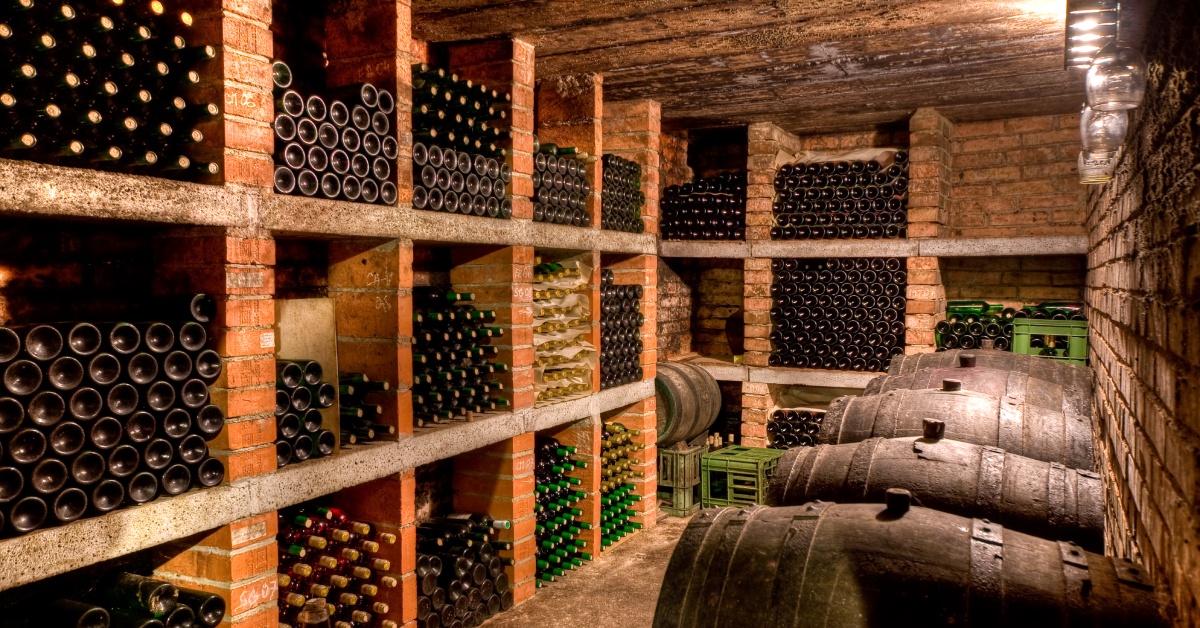
Underground locations naturally provide more stable temperatures and humidity levels than above-ground spaces. Basements benefit from the thermal mass of surrounding soil, which moderates temperature swings and reduces the load on mechanical cooling systems. However, underground locations may require additional attention to moisture control and waterproofing.
Above-ground cellars require more robust climate control systems to overcome the effects of changing weather conditions. These spaces experience greater temperature fluctuations and may need larger cooling capacity to maintain stable conditions. Proper insulation becomes even more critical in above-ground installations to minimize the impact of external temperature changes.
Interior locations within homes offer protection from weather extremes while providing convenient access to collections. Closets, spare rooms, and other interior spaces can be converted into effective wine storage areas with proper climate control systems. These locations often require less cooling capacity than exterior spaces while still providing excellent storage conditions.
Seasonal Adjustments and Long-term Planning
Seasonal changes may necessitate adjustments to climate control settings, especially in regions with significant weather variations. Summer months typically require more aggressive cooling, while winter conditions may allow for reduced system operation. However, these adjustments should be gradual to avoid shocking stored wines with sudden environmental changes.
Long-term planning considers how collections may grow and evolve over time. Wine cellar essentials for controlling temperature and humidity include designing systems with adequate capacity for future expansion. Oversized systems can operate more efficiently and provide better humidity control than units running at maximum capacity continuously.
Regular system upgrades keep pace with advancing technology and changing collection needs. Newer cooling systems offer improved efficiency, better humidity control, and enhanced monitoring capabilities. Planning for periodic upgrades ensures continued protection for growing collections while leveraging technological advancements.
Protecting Your Investment Through Proper Climate Control
Successful wine storage requires commitment to maintaining proper environmental conditions throughout the life of your collection. Controlling temperature and humidity are the fundamental building blocks of wine preservation, protecting both the quality and value of stored bottles. Investment in proper climate control systems pays dividends through improved wine quality and reduced losses due to spoilage.
Professional installation and regular maintenance ensure climate control systems operate reliably for years to come. Working with experienced technicians during system design and installation helps avoid common pitfalls while ensuring optimal performance. Regular service visits catch potential problems early and keep systems running efficiently.
The rewards of proper climate control extend beyond mere preservation. Wines stored under ideal conditions develop more complex flavors, maintain their intended character, and provide greater enjoyment when consumed. Whether you are building a modest collection or managing an extensive cellar, attention to temperature and humidity control forms the foundation of successful wine storage.