

How To Prevent the Most Common Things That Ruin Wine
For passionate collectors, wine represents more than a beverage. You invest time, knowledge, and significant capital into building a cellar that reflects your taste and patience. Bottles often carry stories from vineyard visits, auctions, and milestone celebrations. Protecting that collection requires intention and a clear understanding of what can quietly ruin wine.
Many collectors focus on acquiring the right vintages but overlook the risks that threaten them at home and in transit. Heat, light, vibration, and improper storage conditions can undo decades of craftsmanship. Even a brief lapse in care can compromise aroma, flavor, and long-term value. When you understand the most common things that ruin wine, you know exactly how to prevent them. Let’s take a look.
Heat Exposure: The Fastest Way To Destroy a Bottle
Heat stands as the number one enemy of fine wine. Elevated temperatures accelerate aging and permanently alter chemical balance inside the bottle. You may notice cooked fruit aromas, flat flavors, or pushed corks when heat damage occurs. Once heat compromises a bottle, no method can reverse the damage.
Keep your wine consistently between 55 and 58 degrees Fahrenheit for optimal aging. Avoid garages, attics, or rooms with fluctuating seasonal temperatures. Even short exposure to 80 degrees Fahrenheit or higher can create irreversible harm. Always monitor your storage environment with a reliable digital thermometer.
It’s also worth noting that extreme cold can damage wine. When temperatures dip into freezing or near freezing territory, the cork can push out of the bottle. If wine freezes, it can expand and alter the cellular structure, leaving a tart, acidic flavor profile.
Transportation presents another serious heat risk. Long drives, moving homes, or shipping across states can expose wine to dangerous spikes. Professional temperature-controlled wine transport protects bottles during relocation or acquisition. Collectors who invest heavily in wine should treat transit conditions with the same care as cellar storage.
Light Damage: The Silent Flavor Thief
Light, especially ultraviolet light, degrades wine over time. Direct sunlight triggers chemical reactions that produce unpleasant aromas and muted flavors. Clear and lightly tinted bottles offer less protection than darker glass. White and sparkling wines often show light damage first.
Store wine in a dark space whenever possible. Avoid display shelves that receive natural light from windows. If you use cellar lighting, choose low-heat LED fixtures rather than incandescent bulbs. Keep lighting minimal and turn it off when not in use.
Display cabinets may look elegant, but function must always come first. A beautifully curated collection loses value if light slowly degrades the contents. Prioritize preservation over presentation. Your future self will thank you when you open a perfectly aged bottle years later.
Improper Humidity: Cork’s Hidden Vulnerability
Humidity levels directly impact cork integrity. If humidity drops too low, corks dry out and shrink. This shrinkage allows oxygen to seep into the bottle and prematurely oxidizes the wine. Oxidation dulls fruit character and flattens complexity.
Aim for relative humidity between 60 – 70 percent. A dedicated wine refrigerator or cellar system maintains stable moisture levels. If you use a passive cellar, monitor humidity regularly with a hygrometer. Small humidifiers designed for wine rooms can correct dry conditions.
Excess humidity will also create issues. Mold may form on labels and wooden racks, reducing aesthetic and resale value. While mold rarely harms the wine itself, collectors who value presentation should control moisture carefully. Balanced humidity protects the liquid and your collection’s integrity.
Oxygen Exposure: When Air Turns Against You
Wine evolves slowly through controlled oxygen exposure inside the bottle. Too much oxygen, however, accelerates deterioration. Faulty corks, upright storage, or damaged seals increase oxidation risk. Once oxygen overwhelms the wine, flavors fade and structures collapse.
Store bottles horizontally to keep corks moist. Moist corks maintain a tighter seal and limit air infiltration. Inspect bottles periodically for leakage, low fill levels, or protruding corks. Early detection prevents surprises when you finally open a treasured vintage.
Vibration and Movement: The Overlooked Disruptor
Wine benefits from stillness during aging. Constant vibration disturbs sediment and interferes with delicate chemical reactions. Appliances, heavy foot traffic, and nearby machinery can create subtle but damaging movement. Over time, that disturbance affects clarity and flavor integration.
Place your cellar away from laundry rooms or mechanical equipment. Avoid stacking bottles in high-traffic areas of your home. When you reorganize or move bottles, handle them gently and allow them to rest afterward. Resting time lets sediment settle back into place.
Collectors who frequently relocate bottles for display should reconsider that habit. Stability supports graceful aging. Treat your cellar as a sanctuary, not a revolving showcase. Wine rewards patience and consistency.
Improper Storage Position: Why Orientation Matters
Bottle position influences cork performance and long-term preservation. Storing wine upright for extended periods dries the cork. Dry corks shrink and allow oxygen to enter the bottle. Even a small gap can compromise years of careful aging.
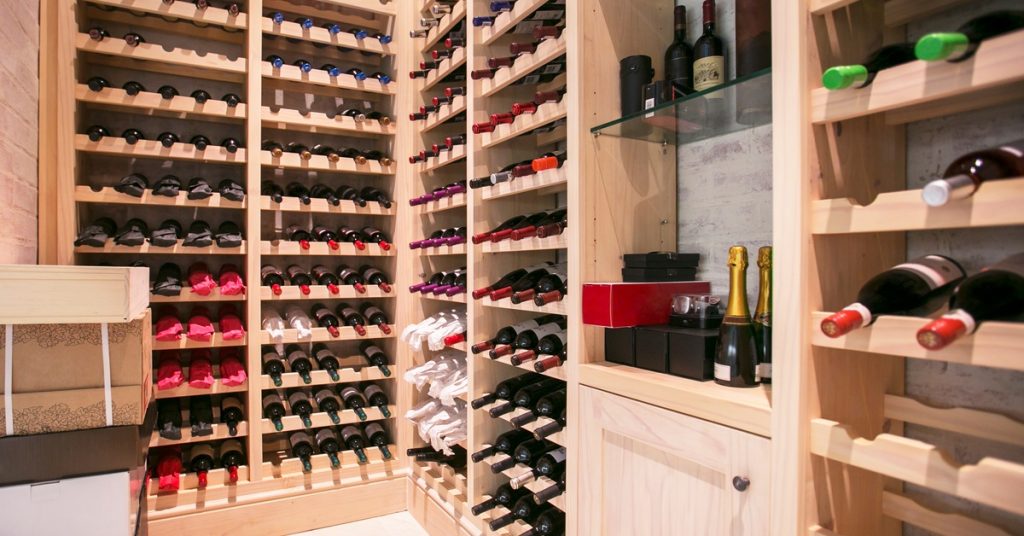
Store standard cork-sealed bottles on their sides. Horizontal storage keeps wine in contact with the cork and maintains elasticity. Screw-cap bottles allow more flexibility but still benefit from stable conditions. Uniform racking systems make side storage easy and organized.
Poor Organization and Inventory Control
Large collections demand structure and oversight. When your cellar surpasses $10,000 in value, disorganization increases risk. You may forget optimal drinking windows or misplace bottles in less ideal zones. Careless stacking also increases breakage risk.
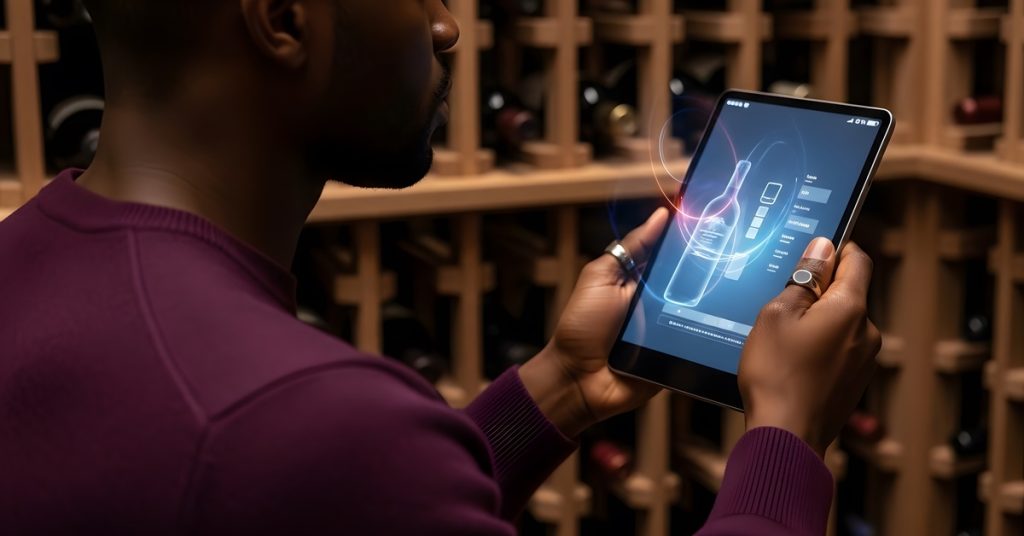
Implement a digital inventory system to track location, vintage, and projected peak maturity. Many collectors use cellar management apps for real-time updates. Organized racking ensures consistent airflow and accessibility. Proper labeling prevents unnecessary bottle movement during searches.
Appellation Wine Transport suggests the following organizational habits:
- Group wines by varietal and region for easy reference.
- Rotate bottles based on maturity timelines.
- Maintain a master inventory with purchase dates and values.
- Designate specific shelves for everyday drinking versus long-term aging.
- Review your collection annually to reassess storage needs.
Transportation Risks: Protecting Wine Beyond the Cellar
Even perfectly stored wine faces risk during relocation. Estate purchases, auction wins, or seasonal home moves require careful planning. Many collectors underestimate how quickly temperature swings and vibration can harm bottles in transit. A standard moving truck does not provide suitable conditions.
Work with specialists who understand the needs of fine wine. Professional carriers use insulated vehicles, careful handling protocols, and climate monitoring systems. They treat wine as a valuable asset, not just cargo. Experienced transporters minimize shock, heat exposure, and excessive movement.
Fine wine rewards patience, precision, and knowledge. By preventing the most common things that ruin wine, you ensure every bottle reaches its full potential. Your collection deserves nothing less than deliberate care and informed stewardship.