

3 Ways To Tell if Your Fine Wine Has Gone Bad

You have saved a specific bottle for a milestone moment. Perhaps it is a First Growth Bordeaux you bought at auction or a Napa Cabernet from the year you were married. You pull the cork, pour a glass, and anticipate that first transcendent sip. But instead of fruit and complexity, you meet a flat, vinegary, or musty taste. The heartbreak is real.
Every collector faces this reality eventually. Wine is a living, breathing agricultural product. It evolves, matures, and, unfortunately, sometimes dies. While we like to think of our cellars as time capsules, the truth is that wine is fragile. Heat, light, oxygen, and time can all conspire to turn a prized investment into salad dressing.
Knowing how to tell if your fine wine has gone bad saves you from serving spoiled wine to guests and helps you manage your collection more effectively. It also underscores why provenance and proper storage conditions matter so much. If you know what spoilage looks, smells, and tastes like, you can better protect your remaining bottles.
Visual Cues: What the Eyes Can Reveal
Your first defense against bad wine is a visual inspection. You can learn a lot about a bottle’s condition without even opening it. Start by looking at the cork. If the cork pushes out slightly from the bottle or looks soaked through to the top, heat likely expanded the wine inside, pushing the cork up. This visual clue is a classic sign of heat damage.
Once you pour the wine, hold the glass up against a white background.
Changes in Color
White wines and red wines age differently, but both offer clues through color.
White Wine
Young white wines are usually pale yellow, lemon, or even clear. As they oxidize, they turn deeper gold, amber, and eventually brown. If you pour a Sauvignon Blanc that should be pale straw but looks like apple juice or flat beer, oxidation has likely taken hold.
Red Wine
Reds lose color as they age. A vibrant purple or ruby Cabernet might soften to brick red or garnet over twenty years. That is natural. However, if a relatively young red wine appears brown or dull, it suggests premature oxidation or heat exposure.

Clarity and Cloudiness
Most fine wines are clear. While some unfiltered natural wines or older vintages with sediment are exceptions, a wine that should be brilliant but looks hazy or cloudy often signals bacterial activity. Unwanted fermentation might be restarting in the bottle, or proteins might be unstable. If you see tiny bubbles in a still wine (and it is not a Vinho Verde), it means re-fermentation is happening. This bubbling often accompanies a yeasty or fizzy taste that does not belong there.
Aroma Indicators: Trust Your Nose
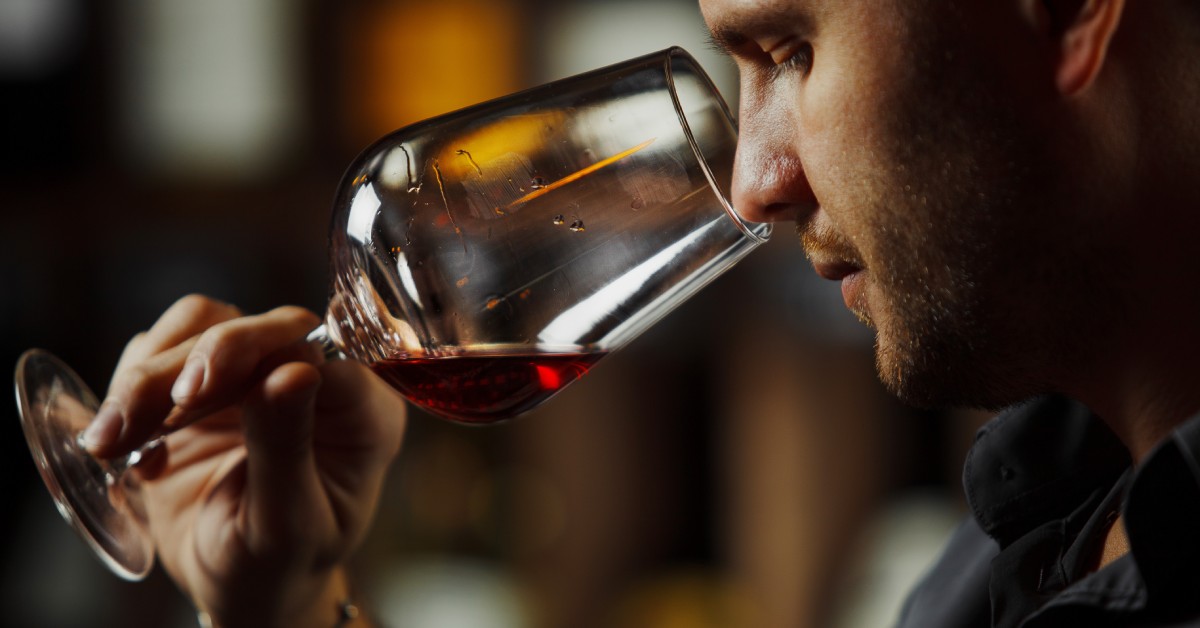
The nose knows. In fact, your sense of smell is far more sensitive to wine faults than your palate. Swirl the wine gently to release the aromatics and take a short sniff. If the wine is “corked” or oxidized, the smell usually hits you immediately.
The Smell of Oxidation
Oxidized wine loses its fresh fruit aromas. Instead of berries, citrus, or stone fruit, you smell nutty, Sherry-like notes. You might detect stewed fruit, caramel, or burnt sugar. While these aromas are desirable in a Madeira or an Oloroso Sherry, they are a death knell for a fresh Pinot Noir or Chardonnay. It means the air got in and flattened the wine’s character.
Cork Taint (TCA)
This clue is perhaps the most famous wine fault. “Corked” wine does not mean pieces of cork are floating in the glass. It refers to a chemical compound called 2,4,6-trichloroanisole (TCA). It infects the cork and transfers to the wine.
A corked wine smells unmistakably like:
- Wet cardboard
- Damp basement
- Wet dog
- Moldy newspaper
Even a faint whiff of this usually means the wine is undrinkable. The fruit flavors will be muted or completely stripped away.
Volatile Acidity and Sulfur
If you smell vinegar or nail polish remover, you are detecting Volatile Acidity (VA). While a tiny amount of VA can lift the aromatics of some Italian reds, high levels indicate that bacteria are turning the alcohol into acetic acid (vinegar).
Sulfur issues manifest differently. A smell of rotten eggs, burnt rubber, or struck matches usually points to reduction—the opposite of oxidation. Sometimes, swirling the wine vigorously or decanting it with a copper penny can blow off these sulfur smells, but if they persist, the wine is flawed.
Taste Confirmation: The Final Test
If the color looks off and the smell is suspicious, the taste will likely confirm your fears. You do not need to swallow a bad wine to know you can no longer serve; a small sip and spit will suffice.
The Vinegar Test
As mentioned with the aroma, a sharp, sour, vinegary taste confirms the presence of acetic acid. It attacks the sides of your tongue and burns the back of your throat. This sensation is distinct from the pleasant, mouth-watering tartness of natural acidity found in a crisp Riesling or Chianti. This taste is harsh and chemical.
Chemical Flavors
Corked wine (TCA) tastes flat and astringent. It strips away all the fruitiness, leaving a flavor that resembles the smell of that wet cardboard. It creates a drying, unpleasant sensation on the finish.
Cooked or Stewed Flavors
Heat-damaged wine tastes “cooked.” Fresh fruit flavors transform into stewed prunes, roasted nuts, or jam. The wine often feels disjointed, with the alcohol protruding awkwardly because the fruit structure has collapsed. It loses its balance and elegance.
Flatness
Sometimes, a wine is just “dead.” It has no aroma and very little flavor. It tastes like acid water. This taste often happens when a wine has simply aged past its window of drinkability. It is not necessarily offensive, just disappointing and lifeless.
Prevention Tips: Protecting Your Investment
You cannot fix a spoiled bottle, but you can prevent the rest of your collection from suffering the same fate. Protecting fine wine requires diligence regarding its environment.
Temperature Stability
Consistency is key. Wine hates rapid temperature fluctuations. Ideally, you want to store your collection at a steady 55°F. Spikes in temperature cause the liquid to expand and contract, which pushes air in and out through the cork, accelerating oxidation. Even worse, sustained heat above 75°F can irreversibly cook the wine.
Humidity Matters
Keep your cellar humidity between 50 percent and 70 percent. If the air is too dry, corks dry out and shrink, letting air in. If it is too humid, labels mold and peel (though the wine inside remains safe). Lying bottles on their sides helps keep the cork moist on the inside, a critical step for long-term aging.
Light and Vibration
Ultraviolet light breaks down the organic compounds in wine, leading to “light strike.” This problem creates off-flavors, particularly in delicate white wines and sparkling wines. Keep your collection in the dark. Vibration disturbs the sediment in older wines and can alter the chemical aging process, so avoid storing wine near washing machines, generators, or under staircases with heavy foot traffic.
Professional Handling During Relocation
One of the most common times wine spoils is during a move. Throwing a case of vintage Burgundy in the back of a standard moving truck during summer is a recipe for disaster. The cargo area of a truck can easily reach 100°F or more.
If you are moving your collection, whether it is across the state or to a new country, you need specialized logistics. This specialization is where professional wine moving services become essential. You need a partner who guarantees a consistent temperature chain from pickup to delivery.
Preserving the Legacy of Your Collection
Recognizing a bad bottle of wine is a useful skill, but preventing spoilage is the goal of every serious collector. Wine is more than a beverage; it is a tangible connection to a specific year, place, and producer. Losing a bottle to poor storage or mishandling feels like losing a piece of history.
By controlling the variables, you respect the wine and the investment you made. When it comes time to relocate your cellar, do not leave the safety of your bottles to chance or general movers who lack the necessary equipment.
Appellation Wine Transport specializes in the delicate art of wine relocation. We provide climate-controlled solutions that maintain that critical 55-degree environment from your old cellar to your new one. We handle packing, logistics, and transport with the expertise your collection deserves. If you are planning a move, reach out to us for a quote and let us help you protect your liquid assets.