

How Long Does Wine Last if It Isn’t Opened?
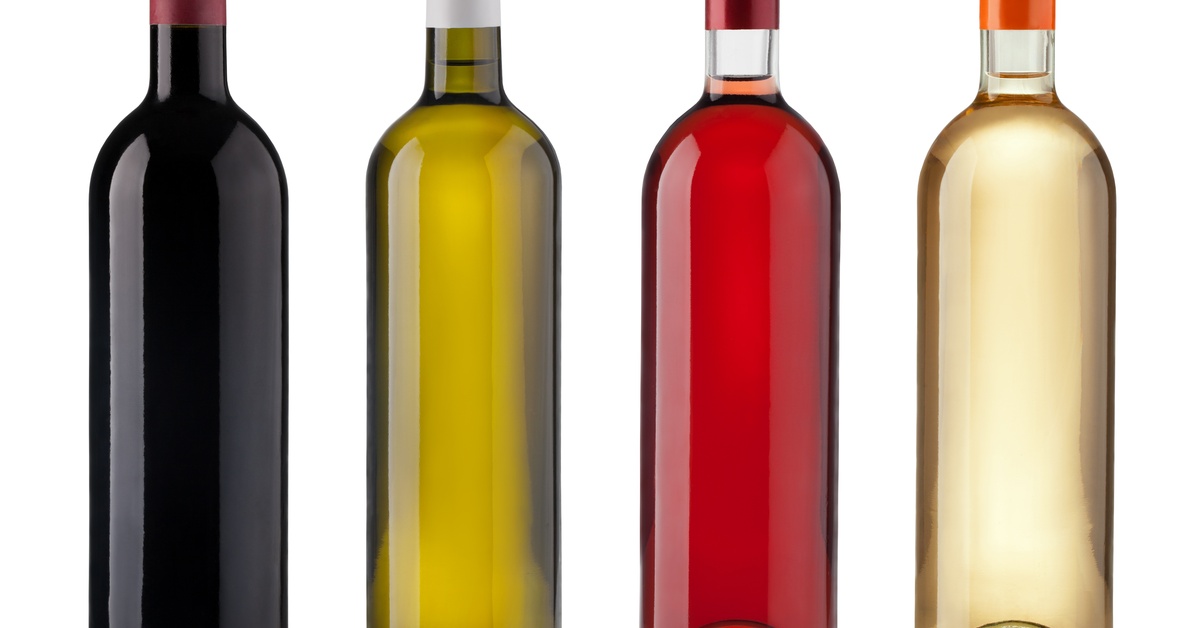
You tuck a bottle of Cabernet away for a special occasion. Years pass. You finally retrieve it, dust it off, and pop the cork. Is the liquid inside a complex masterpiece, or is it essentially expensive vinegar? Wine holds a reputation as one of the few consumables that improves with age. While true for a select percentage of fine wines, most bottles on the market today rely on freshness rather than longevity. Understanding the lifespan of your unopened wine prevents the disappointment of pouring a spoiled vintage down the sink.
Every bottle has a life cycle. From the moment the winemaker seals the cork, the wine begins a slow chemical evolution. Knowing how long it takes for that evolution to unfold before the wine declines helps you enjoy your collection at its peak. Continue reading to explore how long wine lasts if you’ve left it unopened.
The Factors That Dictate Longevity
Not all wines age equally. The grape variety, region, winemaking style, and storage conditions all play pivotal roles in determining how long a bottle lasts. Winemakers construct certain wines with the structural integrity to withstand decades of aging. These wines typically possess high levels of tannins, acidity, sugar, or alcohol. These elements act as natural preservatives. They slow down oxidation and allow complex tertiary flavors to develop over time.
The vast majority of wine produced globally targets immediate consumption. Winemakers design these bottles to showcase fresh fruit flavors. You should consume them within a few years of release. If you keep them too long, the fruit fades, leaving a flat, uninspiring liquid.
The closure method also affects shelf life. Natural corks allow a minuscule amount of oxygen to interact with the wine, which aids in long-term aging. Screw caps provide a tighter seal. They excel at preserving freshness in white wines and rosés meant for early drinking, but they can stifle the evolution of wines meant to age.
The Aging Potential of Red Wine
Red wine generally lasts longer than white wine because of its tannins. Tannins are phenolic compounds found in grape skins, seeds, and stems. They provide structure and texture. A high-tannin red wine, like a quality Cabernet Sauvignon or a Nebbiolo, has the backbone to age for 10 to 20 years, sometimes longer. As the wine ages, these tannins soften, and the harshness resolves into a velvety texture.
Lighter red wines with lower tannin levels have a shorter shelf life. A standard bottle of Pinot Noir or Grenache usually drinks best within three to five years. While exceptional Grand Cru Burgundies can age for decades, most lighter reds rely on delicate fruit notes that oxidize relatively quickly. If you hold onto an everyday bottle of Merlot or Zinfandel for ten years, you will likely find the fruit has disappeared, leaving behind a hollow, bitter taste.
White Wine and Its Shelf Life
White wines lack the protective tannins of red wines, so they rely primarily on acidity to stay fresh. High-acid wines tend to age better than low-acid ones. A premium white Burgundy (Chardonnay) or a high-quality German Riesling can develop fascinating nutty, honeyed aromas over ten to fifteen years. The acidity keeps the wine lively even as the color deepens to gold.
Most white wines, however, offer the best experience within one to two years of the vintage date. Sauvignon Blanc, Pinot Grigio, and Albariño offer zesty, citrusy profiles that fade rapidly. If you wait too long, that crisp, refreshing quality turns dull. A general rule for white wine involves drinking it sooner rather than later unless you know for a fact the producer intended it for the cellar.
Rosé Wine and Freshness
Winemakers produce rosé for refreshment. They want you to taste strawberries, citrus, and melon. Therefore, you should view rosé as a seasonal beverage. The shelf life for an unopened bottle of rosé rarely extends beyond two years. Unlike robust reds, rosé possesses neither the tannins nor the alcohol levels to support long-term aging.
When you see a bottle of rosé from three or four years ago on a store shelf, you should probably leave it there. The vibrant pink color likely faded to a dull salmon or orange, and the bright fruit flavors likely flattened out.
The Endurance of Sparkling Wine
Carbonation adds another variable to the equation. The carbon dioxide in sparkling wine acts as a preservative, but the pressure inside the bottle eventually dissipates. The producers blend multiple years to create a specific flavor profile. You should consume these wines within three to four years.
Vintage Champagne, produced only in exceptional years, represents a different category. These wines spend years aging on their lees (spent yeast cells) before release, which gives them stability. A high-quality vintage Champagne can last for twenty years or more, developing rich, toasty, brioche-like notes. However, Prosecco and Cava generally do not improve with age and offer the best experience when consumed young and bubbly.
Sweet Wine and Sugar Content
Sugar acts as one of nature’s most effective preservatives. Consequently, sweet wines boast some of the longest lifespans in the wine world. The high sugar content inhibits the growth of spoilage bacteria. Fine dessert wines like Sauternes from Bordeaux or Tokaji from Hungary can last for decades, sometimes even a century.
Fortified wines like Port and Madeira are practically indestructible. Winemakers add a distilled spirit to these wines, raising the alcohol level. The combination of high sugar and high alcohol creates a hostile environment for oxidation. You can keep an unopened bottle of vintage Port for 30, 40, or 50 years, and it will likely continue to improve.
Mastering Ideal Storage Conditions
You can possess a bottle with infinite aging potential, but poor storage will ruin it in a matter of months. Temperature stability matters more than any other factor. The ideal temperature for storing all wine hovers around 55 degrees Fahrenheit. Heat acts as a catalyst for chemical reactions. If a wine gets too hot, it “cooks.” The flavors become stewed, and the fresh aromas vanish.
Humidity also plays a critical role. You want a humidity level between 50 percent and 70 percent. If the air becomes too dry, the cork can shrink. A shrunken cork allows air to enter the bottle, leading to premature oxidation. Conversely, extremely high humidity can cause mold to form on labels, though this rarely hurts the wine itself.
Light strikes fear into the hearts of collectors. Ultraviolet rays degrade the organic compounds in wine, creating unpleasant aromas often described as “wet wool” or “cabbage.” This degradation explains why producers bottle wine in colored glass. Keeping your collection in the dark protects its integrity.
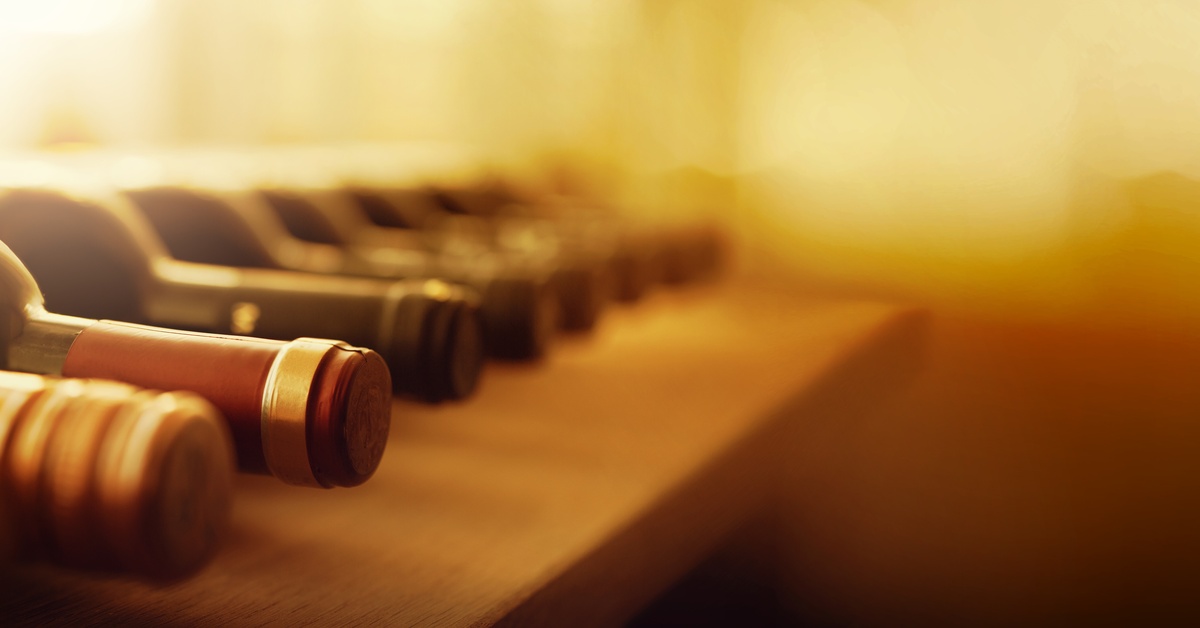
Finally, keep bottles with natural corks on their sides. This position keeps the liquid in contact with the cork, preventing it from drying out. Bottles with screw caps or glass stoppers can stand upright without issue.
Identifying Signs of Spoilage
Sometimes, despite your best efforts, a bottle goes bad. Your senses will tell you the truth. Start with a visual inspection. If a white wine looks dark yellow or brown, or if a red wine looks brick-brown and murky, oxidation likely occurred. Look at the cork. If it pushes out slightly from the bottle, heat ore feezing temps likely expanded the wine, compromising the seal.
Smell the wine before you taste it. A spoiled wine often smells like vinegar, wet cardboard, or nail polish remover. The wet cardboard smell indicates “cork taint” (TCA), a chemical contaminant that ruins the wine regardless of storage. If the wine smells like sherry but isn’t sherry, it has oxidized.
The taste confirms what your nose suspects. A wine that tastes sharp, sour, or astringent has likely turned to vinegar. If it tastes flat and lacks fruit, it has simply passed its prime.
Practical Strategies for Preservation
If you plan to keep wine for more than a few months, invest in a dedicated wine refrigerator. These units maintain a steady temperature and humidity level that a standard kitchen refrigerator cannot match. Kitchen fridges run too cold and too dry for long-term wine storage.
Vibration also disturbs wine. Constant shaking stirs up sediment in older wines, which can alter the flavor. Keep your storage area away from washing machines, heavy foot traffic, or loud speakers.
Transport poses a significant risk to wine collections. Moving a collection from one home to another exposes bottles to temperature spikes and intense vibrations. If you possess a valuable collection and plan to relocate, consider hiring professionals. Wine moving companies utilize temperature-controlled vehicles and specialized packaging to maintain the 55-degree standard throughout the journey. They protect your investment from the shock that often occurs during a standard household move.
Value the Bottle
Now that you understand how long an unopened bottle of wine lasts, you can enjoy it responsibly. Unless you purchased a bottle specifically for its aging potential, enjoying it sooner rather than later remains the safest bet. Proper storage extends the life of any bottle, giving you a wider window of opportunity to open it.
By controlling temperature, light, and humidity, you respect the craftsmanship inside the bottle. Whether you plan to drink that Cabernet next week or next decade, treating it with care guarantees that when you finally pull the cork, the wine tells the story the winemaker intended.