

Why Temperature-Controlled Wine Transportation Is Important
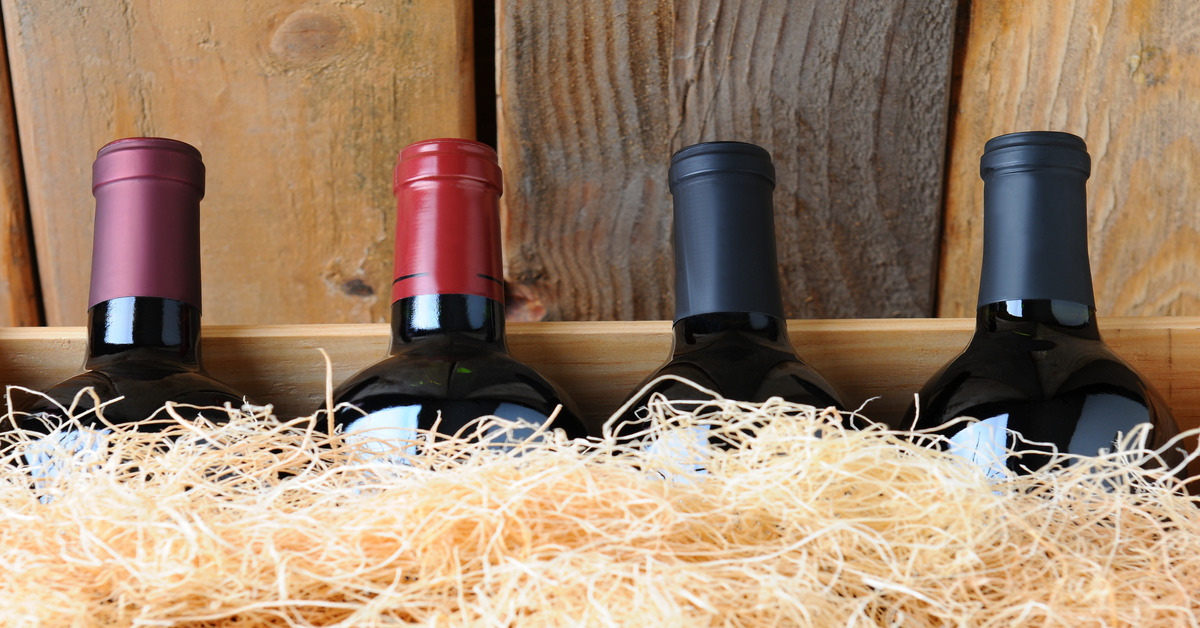
Wine is a delicate product that requires careful handling to maintain its quality and integrity. Temperature fluctuations during transit can affect a wine’s flavor profile, nose , and overall character, making proper transportation essential for collectors, wineries, and retailers. Whether shipping a few bottles or an entire collection, ensuring that wine is transported in a stable environment protects its investment value and preserves its intended taste. Read on and learn why temperature-controlled wine transportation is important for maintaining wine’s integrity, avoiding spoilage, and ensuring it arrives in perfect condition.
Prevents Heat Damage

Excessive heat is one of the biggest threats to wine quality. When exposed to high temperatures for extended periods, wine undergoes chemical reactions that alter its composition, resulting in what is often called “cooked” wine Heat can accelerate oxidation, causing premature aging and flattening the wine’s flavor profile. If a bottle is subjected to temperatures above 75°F (24°C), it can lose its freshness and take on a cooked or stewed taste. Temperature-controlled transportation prevents heat exposure, ensuring wine arrives at its destination as the winemaker intended.
Avoids Freezing in Cold Climates
Just as extreme heat can damage wine, freezing temperatures pose significant risks. If wine freezes during transportation, the liquid inside the bottle expands, potentially pushing the cork out or even breaking the glass. This exposure to oxygen degrades the wine’s flavor and structure. Even if the bottle remains intact, freezing and thawing can create unwanted changes in the wine’s texture and aroma. Temperature-controlled transport keeps wine within a safe temperature range, even in winter conditions.
Maintains Consistency for Aging Wines
Aging wine requires a stable environment. Fluctuations in temperature cause the liquid inside the bottle to expand and contract, which can lead to seepage or oxidation. If a wine experiences inconsistent temperatures during transport, it may age unpredictably, developing flavors that stray from its original profile. For collectors and investors, maintaining aging consistency is crucial to preserving a wine’s value. Properly regulated transportation safeguards against these temperature swings and ensures optimal storage conditions.
Prevents Cork Damage and Oxidation
Cork is a natural material that expands and contracts with temperature shifts. When exposed to heat, corks can dry out, shrink, or become brittle, leading to air leakage into the bottle. Oxidation occurs when oxygen interacts with the wine, dulling its vibrancy and altering its taste. On the other hand, extreme cold can cause corks to contract, letting in unwanted air. Temperature-controlled shipping helps maintain the elasticity of the cork, reducing the risk of oxidation and spoilage.
Preserves Aromatic Complexity
One of wine’s most important attributes is its aroma, or “nose.” Delicate floral, fruity, or earthy scents can be permanently altered if wine is exposed to improper temperatures during transit. Heat damage, in particular, can cause wines to lose their aromatic complexity, leaving them with dull, muted scents. Wines with high aromatic intensity, such as Pinot Noir or Riesling, are especially sensitive to temperature fluctuations. By using climate-controlled transportation, wineries and collectors can ensure that every bottle retains its intended bouquet.
Protects Sparkling Wines from Pressure Changes
Sparkling wines like Champagne and Prosecco contain high levels of carbonation that make them more susceptible to temperature-related expansion. Heat exposure can increase internal pressure, leading to leakage or, in extreme cases, popped corks. Cold temperatures can cause pressure drops, affecting the carbonation balance. Shipping sparkling wines under stable temperature conditions prevents these fluctuations, keeping the effervescence intact and the flavor profile consistent.
Prevents Light Exposure and UV Damage
Direct sunlight and ultraviolet (UV) rays can degrade wine by breaking down its organic compounds. Prolonged exposure results in a condition known as “light strike,” which gives wine an unpleasant, skunky taste. While dark-colored bottles provide some protection, they are not enough to shield wine from extended light exposure. Temperature-controlled wine transportation typically includes UV-filtered storage conditions, ensuring wine remains protected from harmful light sources throughout the journey.
Reduces Vibrations That Can Disrupt Wine Structure
Vibration during transport can negatively impact wine, especially bottles intended for long-term aging. Continuous movement disrupts the sediment in wine, preventing it from settling properly and altering the wine’s balance. Delicate wines like Bordeaux and Burgundy benefit from minimal handling during transit. Climate-controlled shipping options often incorporate cushioned storage to minimize movement, keeping the wine in an ideal resting state until it reaches its final destination.
Ensures Safe Long-Distance Shipping
Whether wine is being shipped across the country or internationally, long-distance transportation exposes it to different climates and handling conditions. A bottle might start its journey in a cool warehouse but pass through scorching temperatures while in transit. Temperature-controlled logistics companies use insulated shipping methods and cold chain technology to prevent exposure to extreme temperature shifts. Ensuring stability over long distances is crucial for preserving wine quality.
Supports Wine Investment and Collectors
Wine collecting is a serious investment, and temperature fluctuations can diminish the value of a rare or vintage bottle. Improperly stored wine loses its integrity, making it less desirable to collectors and buyers. Those purchasing fine wines for resale or long-term aging must ensure that transportation conditions meet the same standards as proper wine cellaring. Temperature-controlled logistics help protect these investments and maintain the wine’s market value.
Complies with Winery Distribution Standards
Many wineries set strict guidelines for shipping their products, ensuring customers receive bottles in peak condition. Some even require distributors and retailers to use temperature-controlled transportation to maintain wine quality. Failure to comply with these regulations can result in returns, refunds, and damaged reputations. Proper temperature management safeguards the integrity of the winery’s brand while ensuring customer satisfaction.
Enhances Customer Satisfaction for Online Wine Orders
E-commerce wine sales have surged, with more customers ordering bottles online for home delivery. Unlike in-store purchases, where customers can inspect a bottle before buying, online orders rely on the retailer’s shipping methods. Customers expect wines to arrive in excellent condition, free from heat damage or leakage. By using climate-controlled transportation, businesses can ensure that customers receive wines exactly as they would in a tasting room.
Protects Wine During Seasonal Temperature Extremes
Whether shipping in the peak of summer or the dead of winter, seasonal weather poses risks to wine quality. Wine left in an uninsulated delivery truck on a hot day can reach damaging temperatures within hours. Likewise, freezing conditions during winter shipments can cause cork expansion or bottle breakage. Temperature-controlled wine transportation eliminates these seasonal risks, providing a consistent environment year-round.
Choosing the Right Wine Transportation Service
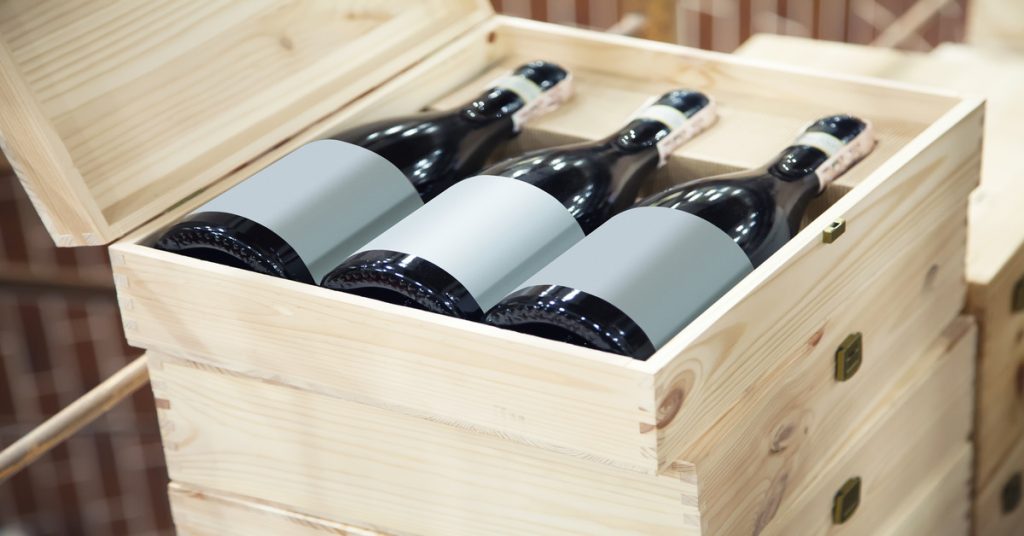
Selecting a reliable wine transportation provider is essential for protecting your wine during transit. The best services use temperature-controlled storage, insulated packaging, and advanced tracking systems to monitor conditions in real time. Working with professionals who understand the delicate nature of wine ensures that every bottle arrives at its destination in pristine condition. Whether shipping wine for personal enjoyment, retail, or investment, choosing the right transportation service guarantees peace of mind.
Now that you know why temperature-controlled wine transportation is important, you can take the necessary steps to protect your bottles from heat, cold, and handling risks. Investing in the right transportation methods is crucial for wineries, collectors, and retailers alike.