

What To Consider When Choosing a Wine Storage Facility
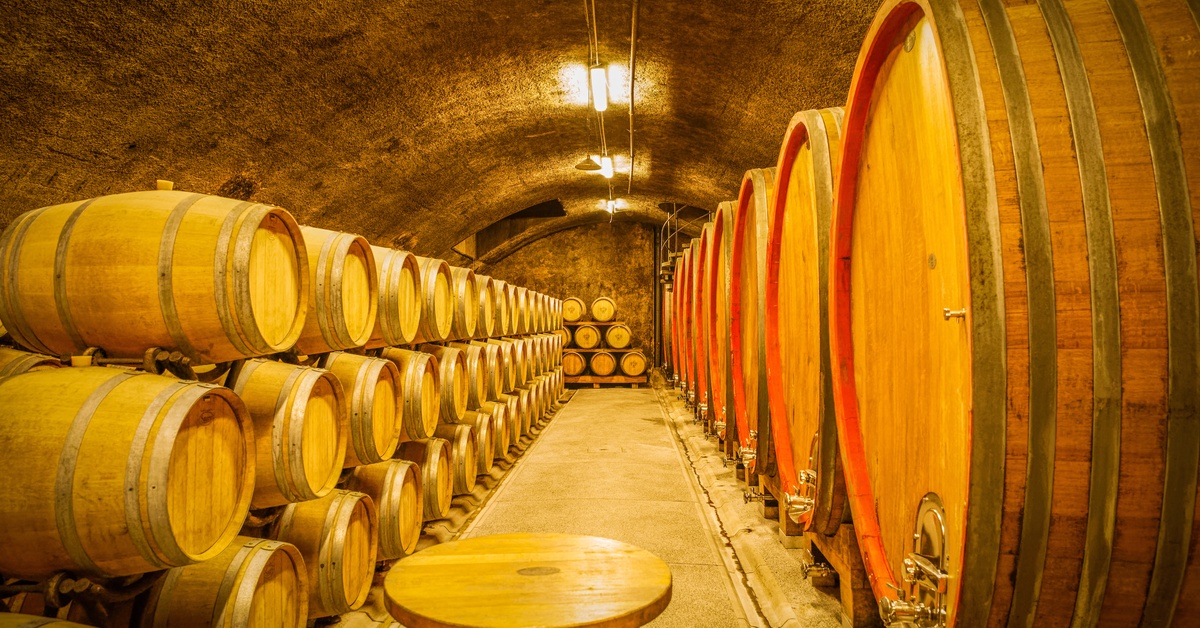
Proper wine storage is essential for preserving the integrity, taste, and value of your collection. Whether you are a casual collector or an investor with rare vintages, selecting the right wine storage facility ensures that your bottles age properly and remain protected. Factors such as temperature control, security, and accessibility all play a role in determining the best storage option. Making an informed decision requires understanding the specific needs of your collection and what different facilities offer. Here’s what to consider when choosing a wine storage facility.
Consistent Temperature Control
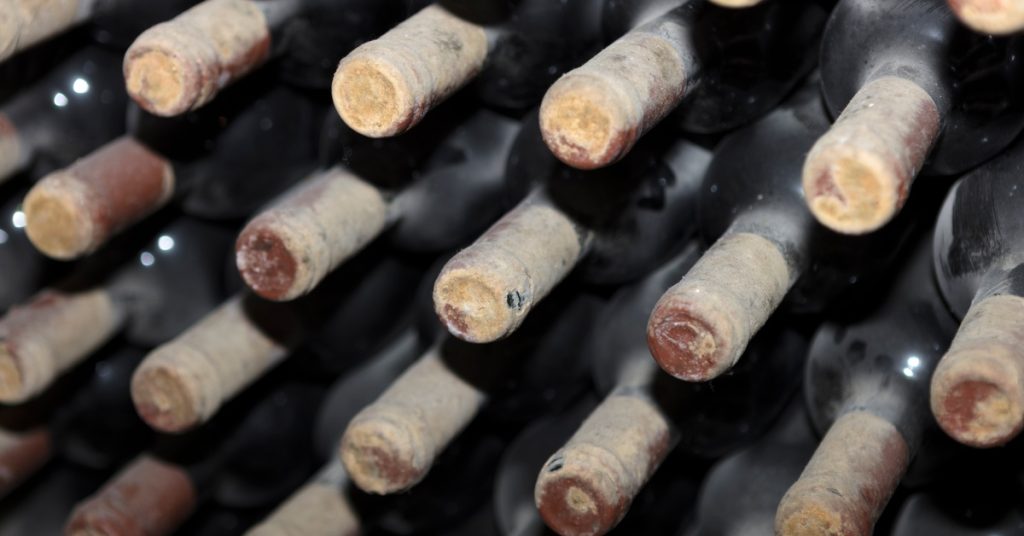
Temperature fluctuations can have a significant impact on wine quality. Ideally, wine should be stored at a consistent 55°F, as extreme heat or cold can cause chemical reactions that alter taste and aroma. A reliable wine storage facility will have temperature regulation systems that prevent sudden shifts. Look for facilities with backup generators to maintain conditions during power outages. Even slight variations in temperature can speed up aging and affect the balance of your wine, so ensuring a stable environment is crucial for long-term storage.
Proper Humidity Levels
Humidity plays a vital role in wine preservation. Too much humidity can lead to mold growth on corks and labels, while too little can cause corks to dry out and allow air to seep into bottles, leading to oxidation. The ideal humidity level for wine storage falls between 60 and 70 percent. A high-quality facility should monitor and maintain consistent humidity levels to prevent spoilage and label degradation. If you are storing wine for investment purposes, intact labels are crucial for maintaining value.
Security and Access Restrictions
A wine collection represents a significant investment, making security a top priority. Choose a facility with 24/7 monitoring, access control systems, and security personnel. Restricted access ensures that only authorized individuals can enter the storage area, reducing the risk of theft or tampering. Some facilities offer biometric entry, keycard access, or security cameras positioned throughout the premises. A secure environment gives you peace of mind knowing your collection is well protected.
Protection Against Vibrations
Vibrations can disturb the natural aging process of wine by unsettling the sediment in the bottle. This is particularly problematic for older vintages that require undisturbed storage. A well-designed wine storage facility should be free from mechanical vibrations caused by HVAC systems, nearby construction, or heavy machinery. Look for storage units that offer reinforced shelving, vibration-dampening flooring, and well-insulated walls. Ensuring that your wine rests undisturbed will help maintain its intended flavor profile over time.
Insurance Options
Even with the best security measures in place, accidents or natural disasters can happen. Check whether the facility offers insurance coverage for stored collections or if it requires customers to carry their own policies. Any high-end wine storage facility will have an insurance policy with a reputable insurer to provide specialized wine coverage. This can protect against risks such as fire, theft, or temperature failures. Having proper insurance in place safeguards your collection against unforeseen events, ensuring that your investment remains protected.
Storage Unit Size and Customization
Wine collections vary in size, so choosing a facility that offers flexible storage options is important. Some collectors may need individual lockers, while others require walk-in storage rooms. Facilities that offer customization allow collectors to organize their bottles in a way that best suits their inventory. Adjustable racking, private tasting rooms, and climate-controlled vaults can enhance the storage experience. Consider how your collection may grow over time and whether the facility has the capacity to accommodate expansion.
Backup Power and Emergency Protocols
Power outages can quickly lead to temperature fluctuations, putting stored wine at risk. A reputable wine storage facility will have backup generators and fail-safe systems to ensure uninterrupted climate control. Ask about their emergency response plan in case of natural disasters, fires, or power failures. Understanding how a facility handles unexpected events gives you confidence in their ability to protect your collection under all circumstances.
Accessibility and Convenience
The ability to access your wine when needed is an important factor in choosing a facility. Some collectors prefer 24/7 access, while others may only need occasional visits. Check if the facility allows scheduled visits, has a concierge service, or offers delivery options. If you entertain frequently or sell wine professionally, you may want a facility that provides easy access for retrieval. Convenient access ensures that your collection remains both secure and functional.
Inventory Management Services
Keeping track of a growing wine collection can be challenging. Some facilities offer digital inventory management systems that allow you to monitor your collection remotely. Barcode scanning, online databases, and app integration can help you track bottle locations, vintage details, and consumption history. Having a clear record of your wine inventory prevents duplicate purchases and ensures proper rotation of aging bottles.
Proximity to Your Home or Business
While security and climate control are top priorities, proximity is also a key factor. If you plan to access your wine frequently, selecting a facility near your home or business is beneficial. However, if you are storing rare or investment-grade wines, you may prioritize a highly secure location over convenience. Some facilities offer delivery services, allowing you to enjoy your wine without frequent visits.
Reputation and Customer Reviews
Researching a facility’s reputation is crucial before committing to storage. Look for customer reviews, testimonials, and references from wine collectors who use the facility. Check if the business has industry certifications or partnerships with wine professionals. A well-reviewed facility with a strong reputation is more likely to provide reliable, high-quality storage services.
Tasting and Event Spaces
Some high-end wine storage facilities offer private tasting rooms or event spaces where collectors can sample their wine in a controlled environment. These areas often include glassware, temperature control, and comfortable seating. If you enjoy hosting tastings or sharing your collection with friends, having access to a professional tasting space can enhance your overall experience.
Specialized Storage for Large Bottles
Magnum bottles, jeroboams, and other large-format wines require different shelving configurations than standard bottles. If your collection includes oversized bottles, verify that the facility can accommodate them. Proper racking prevents bottles from rolling or breaking, ensuring they remain safely stored.
Reliable Temperature-Controlled Wine Transport
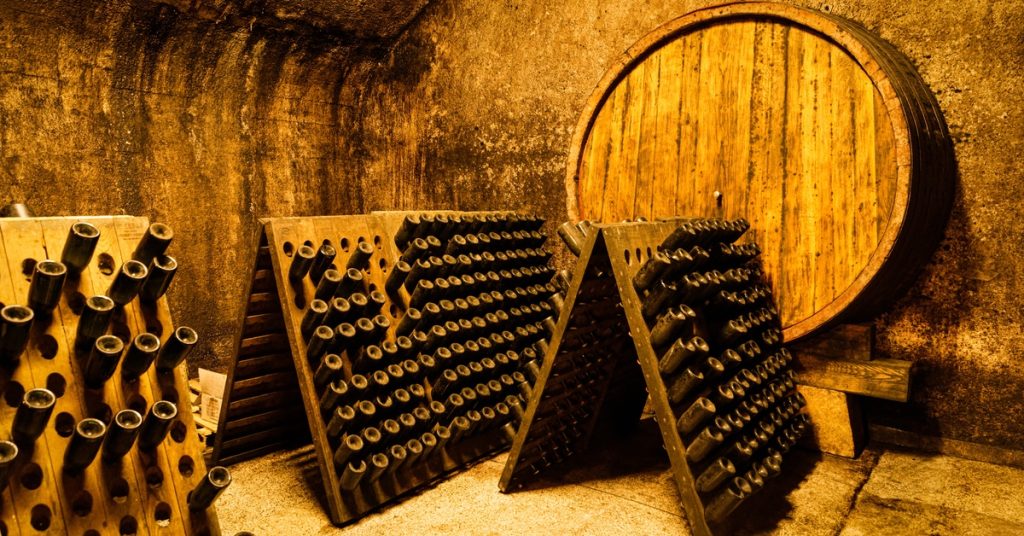
Ensuring your wine is transported safely to and from storage is just as important as maintaining ideal conditions inside the facility. Look for facilities that offer temperature-controlled wine transport services to prevent exposure to heat or cold during transit. Proper handling protects wine from fluctuations that could compromise its quality. Whether moving a collection across town or across the country, investing in specialized transport services helps preserve your wine’s integrity.
Now that you know what to consider when choosing a wine storage facility, you can make an informed decision to protect your collection. Whether you are a casual enthusiast or a serious collector, prioritizing factors like temperature-controlled wine transport and proper humidity levels will safeguard your investment for years to come.