

The Ultimate Guide to Properly Storing Your Wine
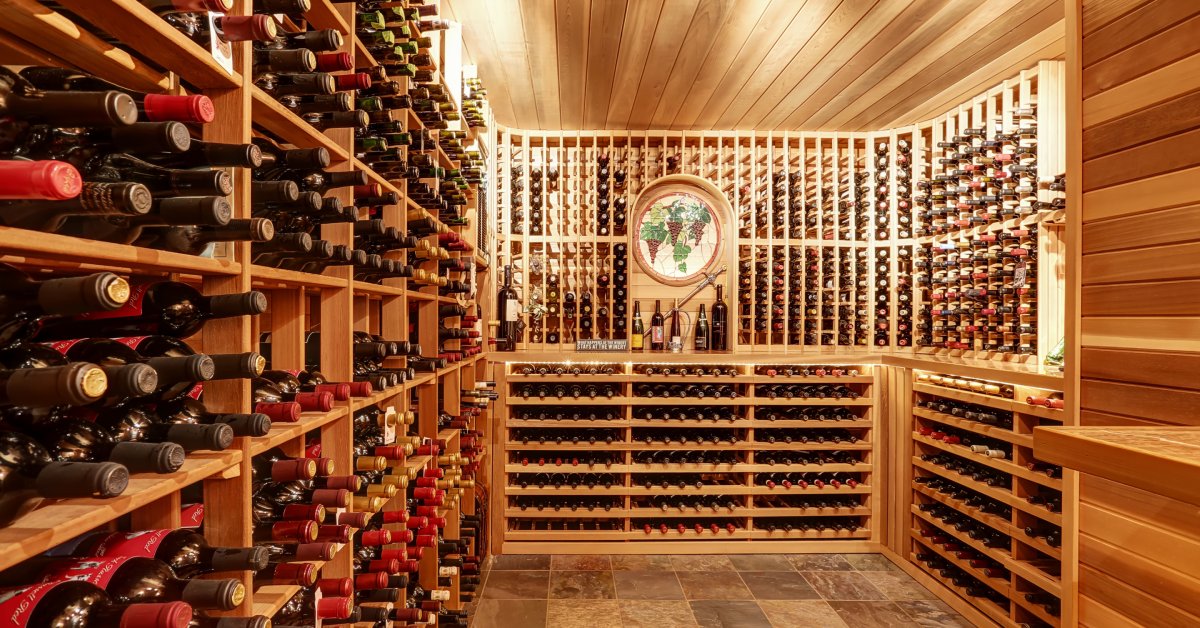
Wine is more than just a drink; it’s an experience shaped by time, care, and the winemakers’ dedication. However, even the finest wines can lose their character if they’re not stored properly. Maintaining ideal storage conditions is critical for preserving wine’s flavor, body, and aroma. Whether you’re new to wine collecting or a seasoned connoisseur, understanding proper storage techniques can make all the difference in your ability to enjoy your collection at its best.
This ultimate guide to properly storing your wine explores the essential factors to protect your investment and enhance your wine-tasting experience.
Understanding Why Proper Storage Matters
Proper wine storage isn’t optional—it’s essential. The unique characteristics of wine are influenced by many factors, including temperature, humidity, light exposure, and the positioning of the bottle. Incorrect storage conditions can prematurely age your wine, mute its flavors, and spoil a bottle before you even have the chance to uncork it.
For instance, extreme temperatures or inconsistent conditions can cause wine to expand and contract within the bottle, potentially leading to a damaged cork. This may allow oxygen to seep in, resulting in oxidation—a process that can ruin the flavor profile of your wine. Similarly, too little humidity can dry out the cork, while too much moisture can damage the bottle’s label or lead to mold. Understanding these risks ensures the longevity and quality of each bottle in your collection.
Temperature Guidelines for Wine Storage
Of all considerations, temperature control is the most crucial factor in storing wine. Wine is highly sensitive to fluctuations in temperature, and even minor changes can have a significant impact on its composition.
The ideal storage temperature for most wines is between 45°F and 65°F, with the sweet spot around 55°F. This temperature range keeps wine conditions stable without compromising its aging process. Wine that is stored in conditions that are too warm can accelerate aging, resulting in flat or overly mature flavors, while a temperature below 45°F may slow down this aging process, potentially muting the development of its nuances.
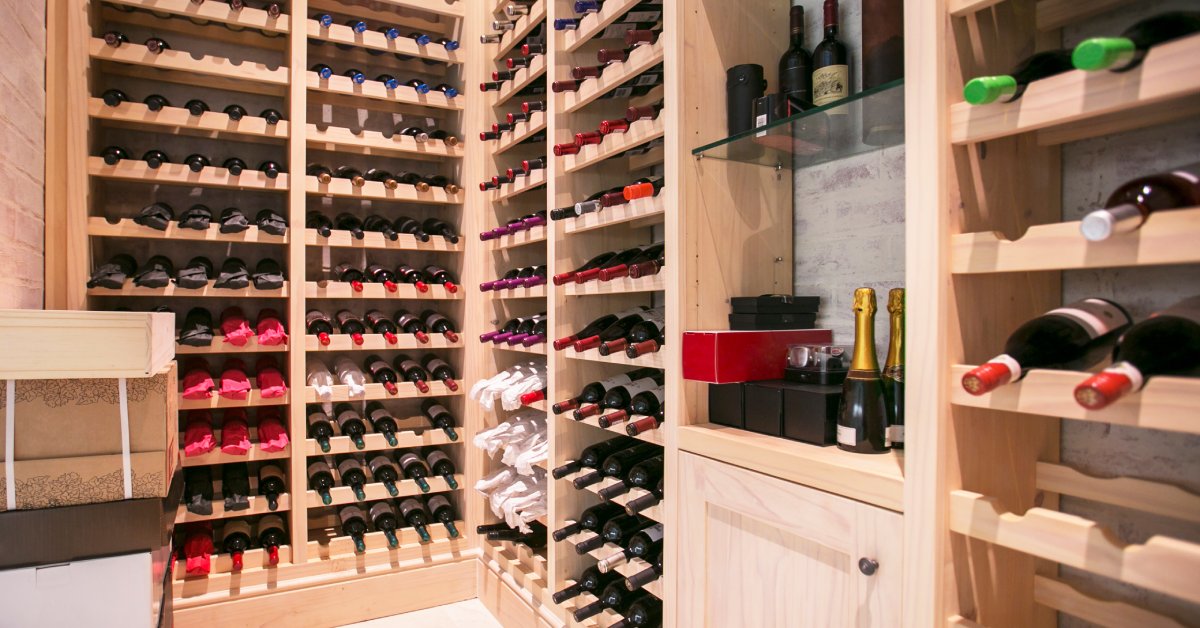
Using a dedicated wine fridge or a temperature-controlled wine cellar can help maintain a consistent environment for your collection. These solutions ensure your wine develops gracefully over time without risk from unforeseen weather changes.
Humidity and Its Role in Wine Longevity
Humidity plays a less obvious but equally important role in proper wine storage. The cork serves as the wine’s first line of defense, preventing air from entering the bottle. However, corks are porous and require a controlled humidity level to maintain their flexibility and integrity.
The ideal relative humidity for wine storage is between 60 and 70 percent. Levels below 50 percent may cause the cork to dry out, allowing oxygen into the bottle and degrading the wine. Conversely, excessive humidity above 70 percent increases the risk of mold developing on corks and labels.
Investing in a hygrometer ensures that humidity remains consistent in your storage area. Pairing this with a wine-specific storage freezer or cellar reflects your investment and protection against environmental threats.
Why Light Exposure Is Detrimental to Wine
Light, particularly UV light, poses another challenge to effective wine storage. UV rays can prematurely age wine and degrade its flavors and aromas. Sparkling wines are especially sensitive to light exposure due to their high UV absorption rates.
To avoid these risks, ensure that wine is stored in low-light or dark conditions. A wine cellar, a closed cabinet, or even a specially designed wine fridge will help prevent UV exposure. While dark glass bottles offer some protection, they’re not a complete solution. Stay proactive by considering how lighting is set up in your storage area.
The Importance of Proper Bottle Positioning
Another key factor in properly storing your wine is placing the bottles correctly. Most experts recommend storing wine bottles horizontally. This ensures that the cork comes into consistent contact with the wine, keeping it moist and maintaining its seal.
When corks dry out, they can shrink, allowing oxygen to seep into the wine and spoil it. Storing bottles horizontally prevents this issue, ensuring your wine remains fresh and ages correctly. Additionally, horizontal storage is a space-saving solution for easier collection organization.
If you’re aging screw-cap wines, horizontal storage isn’t essential, but it still serves as an effective organization method.
Creating the Right Environment for Long-Term Storage
Beyond temperature, humidity, light, and positioning, the overall environment where wine is stored matters. The storage space should be free from vibrations, which can disturb the sediment in the wine and detract from its texture and taste. Additionally, you should keep your wine collection away from strong odors or chemicals that can permeate corks and influence flavor.
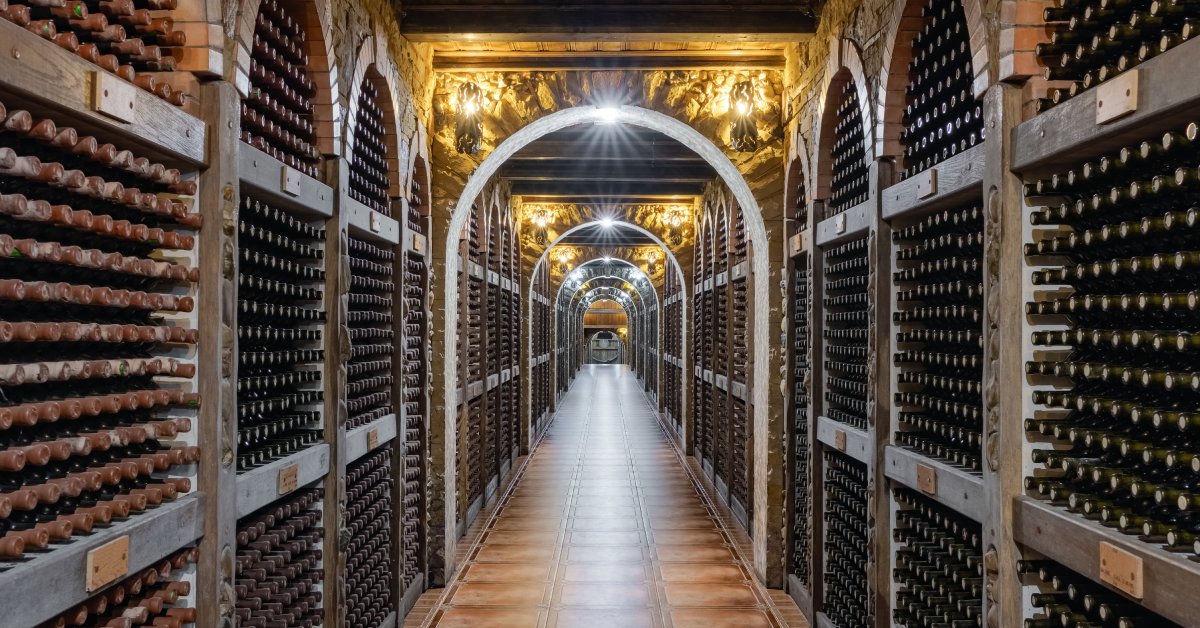
For long-term storage, a wine cellar offers an ideal setup. A wine cellar controls all the above factors, maintaining optimal aging conditions for your collection. Modern wine fridges provide a compact and equally effective alternative for those without the space for a cellar. These fridges allow specific temperature and humidity adjustments, ensuring your wine remains in perfect condition.
Protecting and Transporting Your Collection
It’s one thing to adhere to ideal storage solutions at home, but maintaining wine quality during transportation represents an entirely different challenge. Proper handling is critical whether you’re moving a cherished collection across town or relocating to another state.
Temperature fluctuations, vibrations, and exposure to light can jeopardize the integrity of your bottles during a move. Fortunately, professional wine moving services are equipped to handle these challenges. Specialists ensure wine is packed, transported, and delivered under ideal conditions, preserving its quality.
Preserving the Value of Your Collection
Wine collecting can be as much an investment as it is a personal passion. To protect your collection’s monetary and sentimental value, it’s crucial to take these storage principles seriously. Proper storage enhances the wine’s aging process, leading to better tasting and higher-value vintages. Whether you’re protecting treasured vintages or everyday sippers, the same standards apply to ensure every bottle reaches its peak potential.
Investing in the proper equipment, such as a wine fridge or cellar, and utilizing the tips outlined in this ultimate guide to properly storing your wine are fundamental steps in safeguarding the heart of your collection. Future tastings and meals with family or friends will validate your efforts when each bottle tastes as delicious, no matter how long it has spent in storage.
If you’re planning to relocate and want to ensure the seamless transit of your collection, we offer dedicated wine moving services designed to preserve the integrity of your bottles.
Our team specializes in secure, climate-controlled transport to ensure every bottle arrives at your destination in perfect condition. Protecting your investment with expert care is our top priority.