

The Difference Between Short and Long-Term Wine Storage
Properly storing wine is a critical aspect of maintaining its quality and flavor. How you handle your wine’s storage can significantly impact each vintage’s development and taste, whether holding onto a bottle for a week or planning to age it for several decades. Yet, many wine enthusiasts are unsure about best practices regarding short- versus long-term storage.
This blog explores the difference between short- and long-term wine storage, breaking down essential factors such as temperature, humidity, bottle placement, and aging potential. Glean expert insight from this guide to ensure your wine remains in peak condition, regardless of how long you plan to store it.
Short-Term Wine Storage
Short-term wine storage refers to holding wine for immediate or near-term consumption, typically up to six months. This approach does not necessarily require the rigorous environmental controls associated with aging wine, unlike long-term storage. However, you must follow certain principles to preserve the wine’s integrity during this period.
The most important factor in short-term storage is maintaining a consistent environment. Wine is highly sensitive to temperature fluctuations, which can cause premature aging or spoilage. A steady temperature of around 55°F is often ideal, but storing wine for a few months generally requires a range between 45°F and 65°F.
You must also consider the humidity. Humidity levels of 50% to 70% can ensure the cork remains moist and airtight to prevent the wine from oxidizing and ruining the flavor profile. However, adherence to this rule is not necessary for short-term storage.
Additionally, the position of the bottles matters. It’s perfectly acceptable to store wine bottles upright for short-term storage. However, this positioning is not ideal for long-term storage, as it may lead to the cork drying out over time.
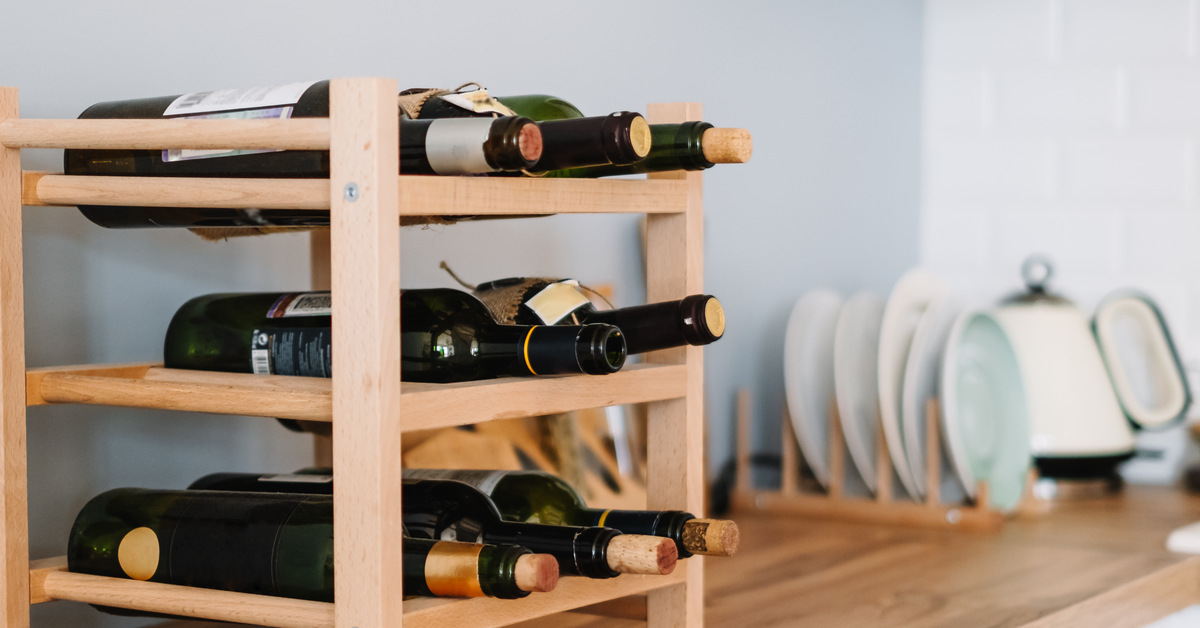
Simple short-term storage methods are sufficient when it comes to everyday reds, whites, or sparkling wines purchased for quick consumption. A well-designed wine rack, temperature-controlled cabinet, or even a dark pantry can keep your wine safe for a few months if the space is free from direct sunlight and vibration.
Long-Term Wine Storage
Long-term wine storage involves aging wine to allow its flavors, aromas, and complexities to mature. Typically, this aging process applies to fine wines or bottles created specifically to improve with age. Proper long-term storage requires precision and dedication to maintain the right conditions for the duration of the aging process.
A stable temperature of around 55°F is non-negotiable for long-term storage. Variations, even slight ones, can negatively affect the wine by speeding up chemical reactions that alter its profile. Additionally, when storing wine for many years the bottles must remain in a dark environment to mitigate the harmful effects of UV light, which can degrade the wine and the label.
Humidity is another critical factor for long-term storage. An optimal humidity range of 60% to 70% prevents corks from drying out, reducing the risk of oxidation or leaking. However, too much humidity can encourage mold growth on the label or packaging.
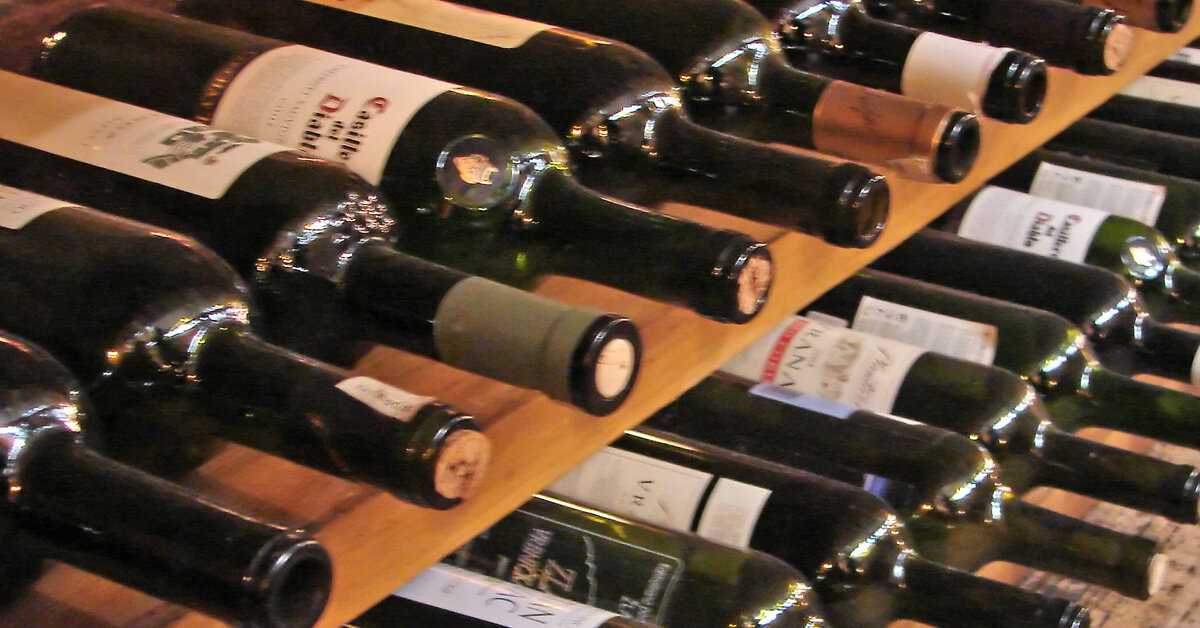
The positioning of your wine bottles is particularly important for long-term storage. You must always store bottles horizontally to keep the cork in constant contact with the wine. Doing so ensures the cork remains moist and maintains an airtight seal. Screw-top bottles are less susceptible to this issue, but maintaining the horizontal placement is still necessary for consistency.
Finally, minimize vibration and movement. Excessive movement can disturb the wine’s aging process by agitating the sediment that naturally forms as wine matures. Dedicated wine cellars or wine coolers designed for long-term storage are ideal for serious collectors, offering environmental control and protection from unnecessary disturbances.
Key Differences in Equipment
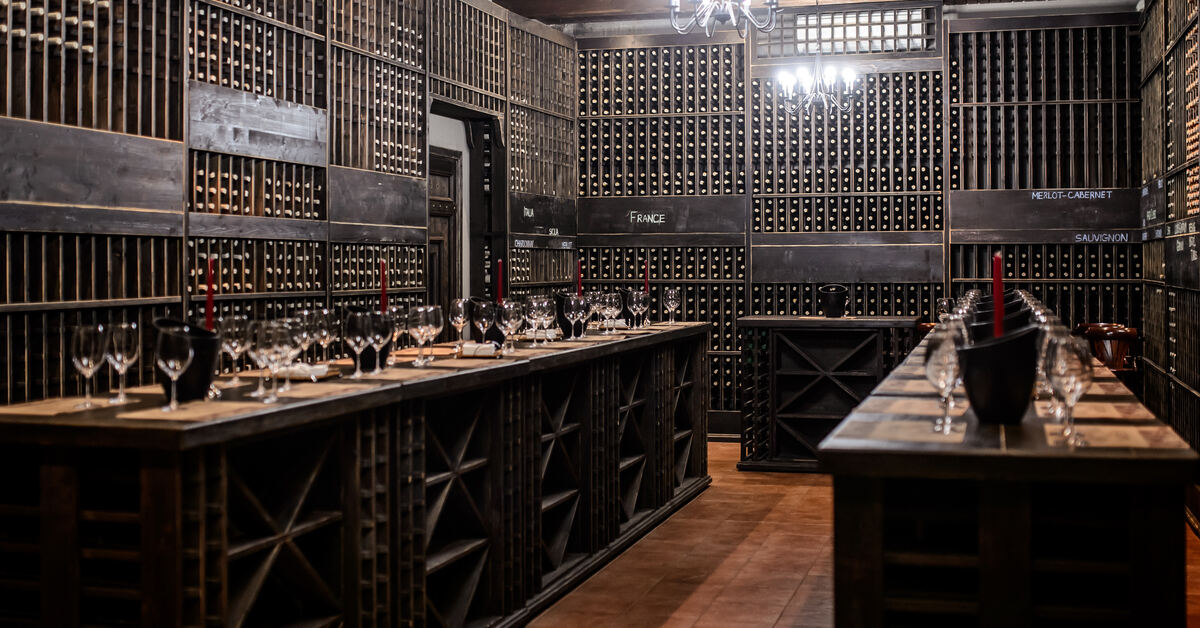
Short-term storage often requires basic solutions, such as a countertop wine rack, wine cooler, or a well-placed cabinet. Conversely, long-term storage demands specialized equipment. We highly recommend purpose-built wine cellars for collectors who plan to age wine for five to 20 years.
Professional-grade wine refrigerators or coolers offer an excellent alternative for those without a dedicated wine cellar. These units often have precise temperature and humidity controls, UV-resistant glass doors, and vibration-reducing technology.
Another option for long-term wine storage is outsourcing the process to professional storage facilities. These services maintain optimal wine-aging conditions and provide peace of mind, particularly for individuals with valuable collections or limited space at home.
Aging Potential
Understanding whether a wine is suitable for short-term enjoyment or long-term aging is crucial. Not all wines improve with time. You should enjoy mass-produced wines shortly after purchase, especially those on the lower end of the price spectrum. These wines have little aging potential as they lack the tannin, acidity, and sugar content required to develop complexity over decades.
Fine wines, on the other hand, often benefit from aging. Reds, such as Bordeaux, Burgundy, and Barolo, and dessert wines, such as Sauternes, possess the structure needed for long-term storage without compromising quality. In fact, many of these wines require it to fully develop their potential profile. White wines, such as Riesling and Chardonnay (particularly those aged in oak), can also develop remarkable depth when properly stored.
Professionals suggest consulting a wine’s producer notes or enlisting the help of a sommelier to determine its aging potential. This step ensures your investment in long-term storage aligns with the characteristics of the wine in question.
When Short-Term and Long-Term Methods Overlap
Some short- and long-term storage practices blur the lines. For example, a wine intended as a gift or served at an event might require greater care than typical short-term storage. Often, wine enthusiasts taste and evaluate aging wines to ensure they are developing the desired characteristics. These overlapping cases emphasize the importance of flexibility and attention to detail in wine storage practices.
Adopting an adaptable approach and understanding the requirements of both storage lengths will help you optimize your wine experience, whether for immediate enjoyment or future indulgence.
Final Thoughts
The primary goal is to maintain your wine’s integrity until the moment you’re ready to consume it. Poor storage practices result in diminished flavors, unpleasant aromas, or, in the worst cases, spoiled wine. Understanding the difference between short- and long-term wine storage and utilizing the right approach tailored to your storage timeline safeguards your investment, ensures quality, and enhances the overall experience.
Appellation Wine Transport LLC commits itself to helping you protect and preserve your collection. Our wine transportation services ensure your wine remains safe and secure throughout its journey, whether moving across states or simply across town. Contact us today to learn more about our services or to start planning your next move.