

How To Transport Your Wine Collection Internationally
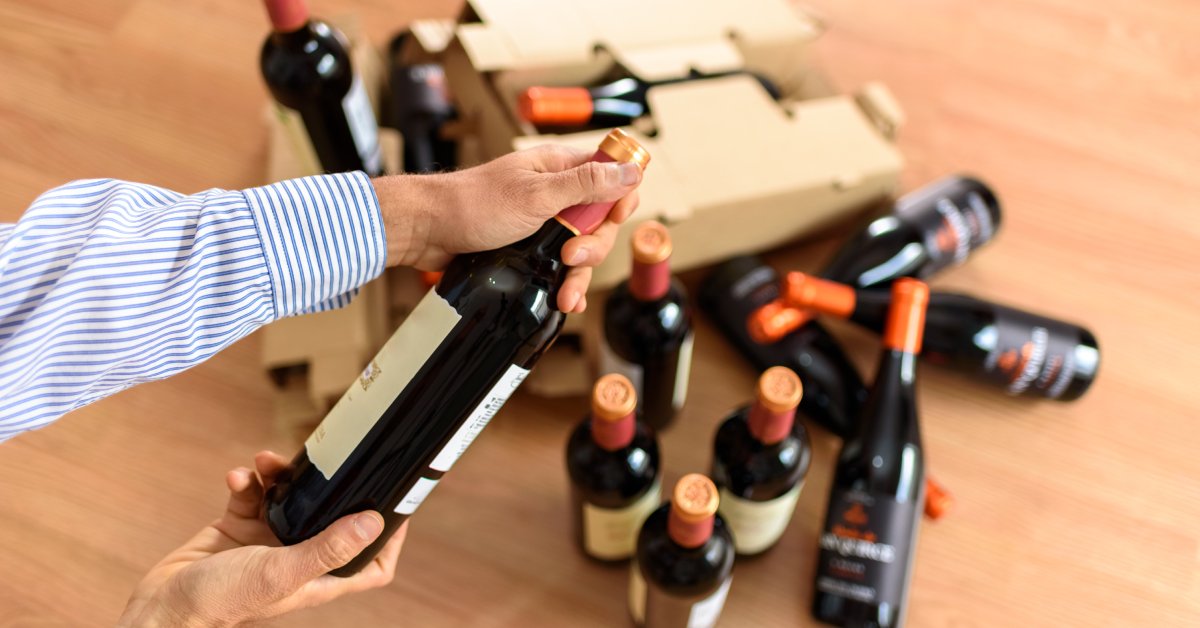
A well-curated wine collection is a prized possession, but moving it across international borders presents unique challenges. Whether you’re relocating, selling part of your collection, or simply expanding your access to wines from different regions, international transportation requires careful planning. From customs regulations to climate control, ensuring your bottles arrive safely demands attention to detail. Read on to learn how to transport your wine collection internationally.
Understanding International Wine Shipping Laws
Every country has specific regulations for importing and exporting alcohol. Some nations impose restrictions on quantities, while others require permits or duties. Researching these laws in advance prevents unnecessary delays or confiscations at customs. The U.S., for example, has strict alcohol import laws that vary by state, while European countries often have more relaxed policies. Checking with both the departure and destination country ensures you comply with all legal requirements. Partnering with an experienced wine shipper can also help streamline the process, reducing the risk of unexpected legal complications.
Choosing the Right Shipping Method
How you transport your wine depends on a variety of factors, such as quantity, budget, and timeline. Air freight is the fastest option but can be expensive, while ocean freight offers a cost-effective alternative for larger collections. Couriers like FedEx and UPS have specialized wine shipping services, but they may not be available for international shipments to every destination. They also rarely, if ever, offer climate control for this type of shipping. If speed is a priority, climate-controlled air freight minimizes exposure to fluctuating temperatures, but for large-scale moves, climate-controlled sea freight provides a safer and more affordable alternative.
Selecting the Best Packaging for Protection
Wine bottles are fragile, and improper packaging can lead to breakage, oxidation, or label damage. Using foam inserts, molded pulp trays, or Styrofoam shippers helps absorb shocks and prevent movement during transit. Double-boxing bottles adds an extra layer of protection, and sealed, leak-proof bags prevent spills in case of breakage. Professional wine shipping companies often provide industry-approved packaging to ensure safe transit.
Managing Temperature Control During Transit
Wine is highly sensitive to temperature fluctuations, and exposure to extreme heat or cold can compromise its quality. Ideally, wine should be kept between 55°F and 60°F during transport. Thermal insulation materials, refrigerated shipping containers, and temperature-controlled warehouses minimize risks. If shipping via air freight, selecting a climate-controlled cargo option ensures that your bottles remain in optimal condition throughout the journey. Some high-end wine shipping services also provide tracking and temperature monitoring to offer real-time updates on your collection’s condition.
Understanding Import Duties and Taxes
Many countries impose import duties, value-added tax (VAT), or other fees on incoming wine shipments. These costs vary based on factors such as volume, alcohol content, and country of origin. For instance, the UK charges excise duty on wine exceeding 1.2 percent alcohol by volume, while Japan has specific tax rates depending on bottle size. Consulting with a customs broker or freight forwarder helps determine the exact costs and ensures that you prepare the necessary paperwork to avoid unnecessary fines or delays.
Obtaining the Required Documentation
Proper documentation is critical for smooth customs clearance. Commonly required paperwork includes an invoice detailing wine quantities and values, a certificate of origin, and an import permit if needed. Some countries require a health certificate verifying that the wine meets local safety standards. If your collection contains rare or vintage bottles, provenance documentation and valuation certificates may be necessary. Partnering with a licensed wine transportation service ensures that all documents are in order before shipping.
Hiring a Specialized Wine Shipper
Most general freight companies will not have the expertise needed to transport wine safely. Hiring a specialized wine transportation service ensures that your collection is handled with the necessary care. These companies have experience in customs regulations, temperature-sensitive shipping, and secure packaging. Reputable companies will provide insurance options to cover losses in case of accidents. Researching and selecting a reputable wine shipping company reduces the risk of damaged or delayed shipments.
Shipping Full Cases vs. Individual Bottles
If you’re shipping a mix of full cases and individual bottles, the handling process differs. Full, unopened cases are easier to secure and stack, reducing the risk of breakage. Individual bottles require additional padding and specialized shipping containers to protect them from impact. Some wine shippers offer palletized shipping for full cases, ensuring they remain stable throughout transit. If your collection consists of assorted bottles, proper packaging techniques become even more critical.
Insuring Your Wine Shipment
Wine is a valuable asset, and shipping it internationally carries risks of loss, breakage, or temperature damage. Insuring your shipment provides financial protection in case of accidents. The best specialized wine shipping companies offer coverage tailored to high-value collections. Insurance policies typically cover breakage, theft, and damage caused by temperature fluctuations. Checking the terms and conditions of your insurance ensures that your collection is adequately protected throughout its journey.
Preparing Your Wine for Storage Upon Arrival
Once your shipment arrives, proper storage is crucial to maintaining wine quality. If your collection includes aged or vintage wines, allowing them to rest for several weeks helps them recover from travel shock. Storing wine in a climate-controlled cellar or professional storage facility prevents fluctuations in temperature and humidity. Investing in a wine fridge or custom cellar shelving ensures that your collection remains in peak condition long after it reaches its destination.
Navigating Prohibited and Restricted Wines
Certain countries have restrictions on specific wine varieties, such as fortified or high-alcohol wines. Some nations prohibit unregistered brands or limit the amount of wine an individual can import. Before shipping, verifying that all wines in your collection comply with local regulations prevents issues at customs. If any bottles in your collection fall under restricted categories, working with a customs broker helps navigate these rules.
Understanding Labeling and Authenticity Requirements
Some countries require imported wines to meet specific labeling standards. This may include language requirements, ingredient disclosures, or alcohol percentage labeling. Failure to comply may result in confiscation or return of the shipment. High-value collections should also be verified for authenticity to prevent counterfeit concerns in certain markets. Proper documentation ensures that your collection meets international trade standards.
Working With Wine Transportation Services
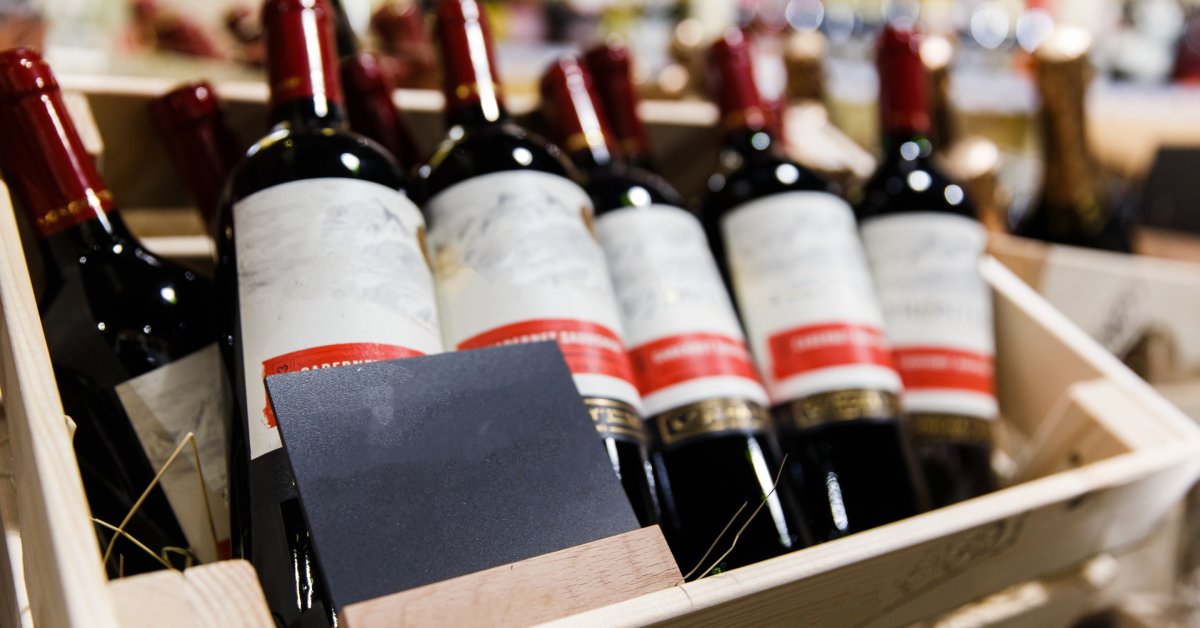
Using professional wine transportation services ensures that every step of your shipment—from packaging to customs clearance—is handled efficiently. These services specialize in climate-controlled storage, secure transit, and regulatory compliance. For collectors, businesses, and wine enthusiasts alike, working with an experienced wine transportation company minimizes risks and guarantees that each bottle arrives in pristine condition. Choosing the right service provider saves time, reduces stress, and protects the value of your collection.
Now that you know how to transport your wine collection internationally, you can take the necessary steps to ensure a smooth and safe shipping experience. From choosing the right wine transportation services to handling customs documentation, planning each stage carefully preserves your investment.