

How To Securely Pack Wine Bottles When Moving
Moving a wine collection requires careful planning and proper packing techniques to ensure your bottles arrive at their destination in perfect condition. Whether you have a modest collection of everyday wines or an extensive cellar filled with rare vintages, understanding the correct methods for storing and transporting wine bottles will protect your investment and preserve the quality of your wines. This comprehensive guide will walk you through how to securely pack wine bottles when moving.
Wine Bottle Vulnerabilities
Wine bottles face several risks during transportation that can compromise both the container and its contents. The glass construction makes bottles susceptible to breakage from impact, vibration, and temperature fluctuations. The cork seal can be compromised by sudden movements or changes in positioning, potentially allowing air to enter the bottle. Additionally, sediment in aged wines can be disturbed by excessive movement, affecting the wine’s clarity and taste. Understanding these vulnerabilities helps you take appropriate precautions when preparing your collection for transport.
Essential Packing Materials
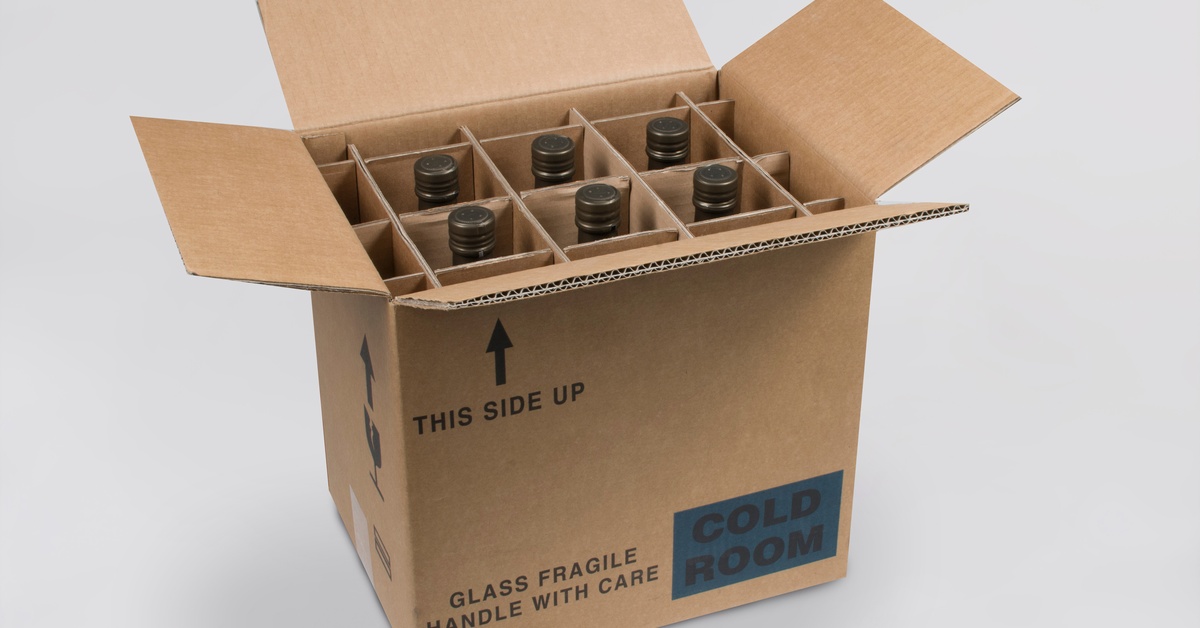
Proper packing begins with gathering the right materials. You will need sturdy cardboard boxes specifically designed for wine bottles, which typically hold 12 bottles and include dividers. Bubble wrap provides excellent cushioning for individual bottles, while packing paper offers additional protection and fills empty spaces. Foam inserts or wine bottle sleeves create custom-fitted protection for each bottle. Heavy-duty packing tape secures boxes and prevents them from opening during transport. Permanent markers allow you to label boxes clearly with contents and handling instructions.
Wine Collection Preparation
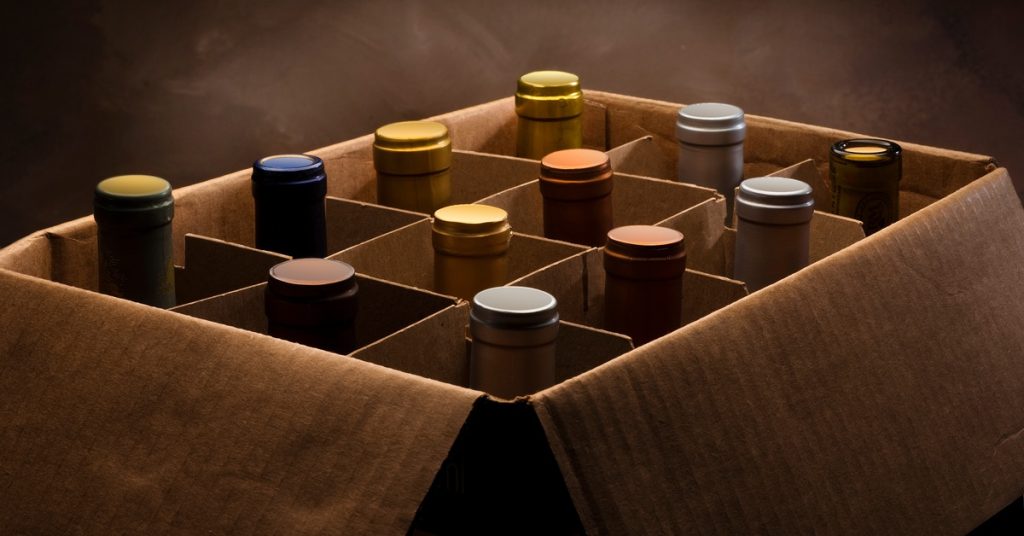
Before packing begins, assess your entire wine collection to determine which bottles require special attention. Older wines with sediment should be handled with extreme care and kept upright throughout the packing process. Sparkling wines and champagnes need additional protection due to internal pressure. Remove any dust or debris from bottles using a soft cloth, as clean surfaces provide better grip for packing materials. Create an inventory list documenting each bottle’s location within your packed boxes, which will help you with unpacking and organization at your new location.
Individual Bottle Protection Techniques
Each wine bottle requires individual protection to prevent damage during transport. Begin by wrapping each bottle in bubble wrap, starting from the bottom and working your way up to completely cover the bottle, including the neck and cork area. Secure the bubble wrap with tape, ensuring it stays in place but avoiding tape contact with the bottle labels. For particularly valuable bottles, consider using wine bottle sleeves or foam protectors before applying bubble wrap. The neck area needs extra attention since it represents the most vulnerable part of the bottle. Double-wrap the neck and cork region with additional bubble wrap layers.
Proper Box Packing Methods
Securely packing wine bottles when moving requires systematic box packing to distribute weight evenly and prevent shifting. Place the heaviest bottles at the bottom of each box and lighter bottles toward the top. If packing the bottles upright, insert dividers between each bottle to avoid glass-to-glass contact. Fill any remaining spaces with packing paper or additional bubble wrap to eliminate movement within the box. Avoid overpacking boxes, as excessive weight can cause the box to fail and make lifting hazardous. Each box should contain no more than the recommended number of bottles, as specified by the manufacturer.
Temperature and Environmental Considerations
Wine bottles are sensitive to temperature changes and environmental conditions during transport. Avoid leaving wines in extreme temperatures, as heat can expand the liquid and potentially push corks out, while freezing temperatures can cause bottles to crack. Pack your wines in climate-controlled environments when possible, and try to plan your move during moderate weather conditions. If you must transport wines in challenging weather, consider using insulated boxes or temperature-controlled transport options. Professional wine moving services will provide climate-controlled vehicles and facilities specifically designed for wine transport and storage, ensuring optimal conditions throughout the journey.
Labeling and Documentation
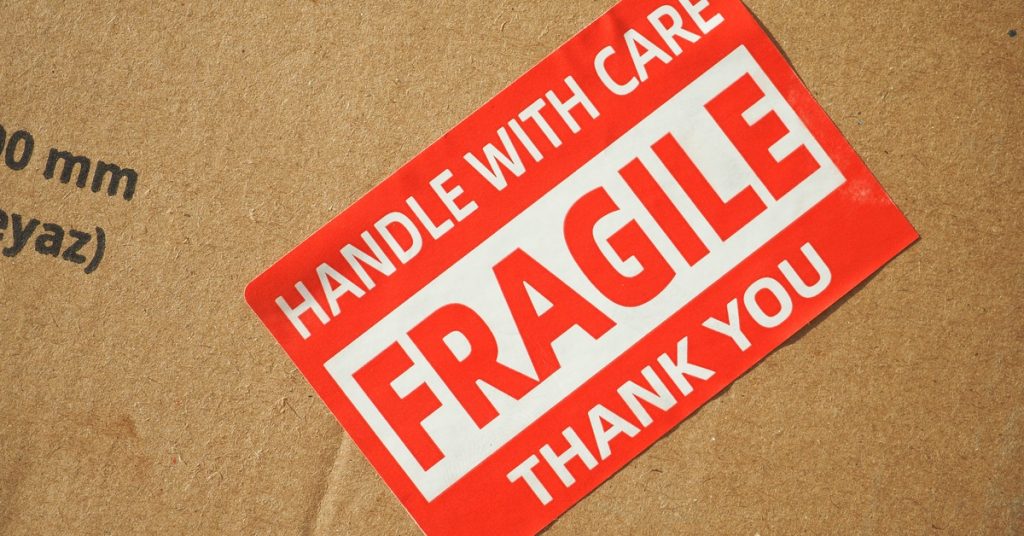
Proper labeling allows for careful handling and helps with organization at your destination. Mark each box clearly with “FRAGILE” and “THIS SIDE UP” labels to communicate proper handling requirements. Include brief content descriptions, such as “Red Wines—Kitchen” or “Champagne—Cellar” to facilitate unpacking. Create detailed inventory sheets for each box, noting bottle positions and any special handling requirements. Keep one copy of your inventory with you during the move and place another copy inside each box. This documentation proves invaluable if any issues arise during transport.
Loading and Transport Strategies
The way you load packed wine boxes into your moving vehicle significantly impacts their safety during transport. Place wine boxes on the floor of the moving truck rather than stacking them high, as this reduces the risk of falling and provides better stability. Secure boxes with moving straps or rope to prevent sliding during transport. Avoid placing heavy items on top of wine boxes, even if they appear sturdy enough to support additional weight. Drive carefully with gradual acceleration and deceleration to minimize jostling of your wine collection.
Special Considerations for Valuable Collections
High-value wine collections may require additional protection measures beyond standard packing techniques. It is absolutely recommended that you carry or purchase comprehensive moving insurance that specifically covers wine collections, as standard moving insurance may not adequately protect valuable bottles. Document the condition and value of expensive bottles with photographs before packing. For extremely valuable collections, professional wine transport services offer specialized equipment and expertise that may justify the additional cost. Savvy collectors choose to transport their collections separately in a dedicated wine move rather than include them with household goods.
Unpacking and Storage Setup
Once you arrive at your destination, proper unpacking helps preserve the condition of your wine collection. Allow packed boxes to rest for several hours before opening, especially if they have been exposed to temperature changes during transport. Unpack boxes systematically, checking each bottle for damage and comparing contents against your inventory lists. Store unpacked wines in their designated location as soon as possible to minimize further handling and exposure to environmental factors.
Professional vs. DIY Approaches
Deciding between hiring a professional wine moving service versus handling the move yourself depends on several factors, including the size of the collection, its value, the distance, and your personal comfort level. Professional services offer expertise, specialized equipment, and insurance coverage that may justify their cost for valuable collections. DIY approaches are effective for smaller collections or shorter distances where you can maintain direct control over handling and transportation conditions. Consider hybrid approaches where you pack bottles yourself using professional-grade materials while hiring experienced movers for transport.
Protecting Your Investment Through Proper Planning
Successfully moving a wine collection requires attention to detail and proper planning throughout every step of the process. The time invested in proper packing techniques protects both the financial and sentimental value of your collection. Remember that rushing the packing process increases the likelihood of damage and may result in losses that far exceed the cost of professional services or high-quality packing materials. Take the time needed to pack each bottle correctly, and your wine collection will arrive at its new home ready to continue aging gracefully.