

A Beginner’s Guide to Investing in Fine Wine
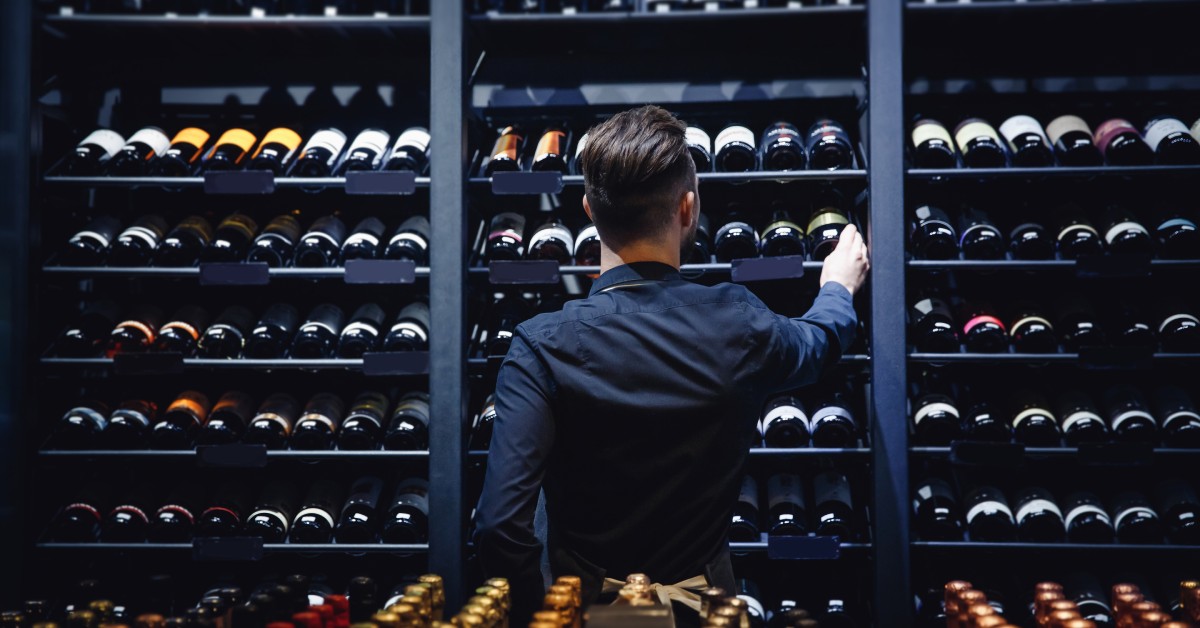
For many, the allure of wine lies in its ability to capture a moment in time—a specific place, a particular season, a shared memory. But beyond the sensory experience, fine wine has emerged as a compelling tangible asset, offering both enjoyment and financial potential. Investing in fine wine allows you to build a collection of tangible assets that you can not only appreciate in value but also enjoy on special occasions. This exploration offers collectors a pathway to understand the fundamentals of fine wine as an investment, from selecting the right bottles to safeguarding their value for years to come.
Why Invest in Fine Wine?
Fine wine presents a unique investment opportunity that differs from traditional stocks and bonds. One of its most attractive qualities is its potential for significant appreciation. Unlike other assets, the supply of a specific vintage is finite and decreases over time as people consume the bottles. This scarcity, combined with a wine’s ability to improve with age, often drives its value upward. A well-chosen bottle can mature in complexity and flavor, making it more desirable to collectors and connoisseurs.
Wine offers portfolio diversification. The fluctuations of the stock market do not impact the value of the wine, providing a hedge against economic volatility. During periods of financial uncertainty, tangible assets like fine wine often retain or even appreciate in value, making them a stabilizing force in a broader investment strategy. Finally, wine is an asset you can physically hold and enjoy. It offers a tangible connection to your investment, a quality that stocks and digital assets cannot replicate.
Understanding Wine Regions and Vintages
The world of fine wine is vast, but certain regions consistently produce investment-grade bottles. Bordeaux and Burgundy in France are the cornerstones of many wine portfolios. Bordeaux is renowned for its powerful, age-worthy red blends, primarily based on Cabernet Sauvignon and Merlot. Iconic châteaux like Lafite Rothschild and Mouton Rothschild command high prices and have a long history of appreciation. Burgundy, on the other hand, is celebrated for its elegant Pinot Noir and Chardonnay. The region’s limited production and devoted following contribute to the high demand for its top wines from producers such as Domaine de la Romanée-Conti.
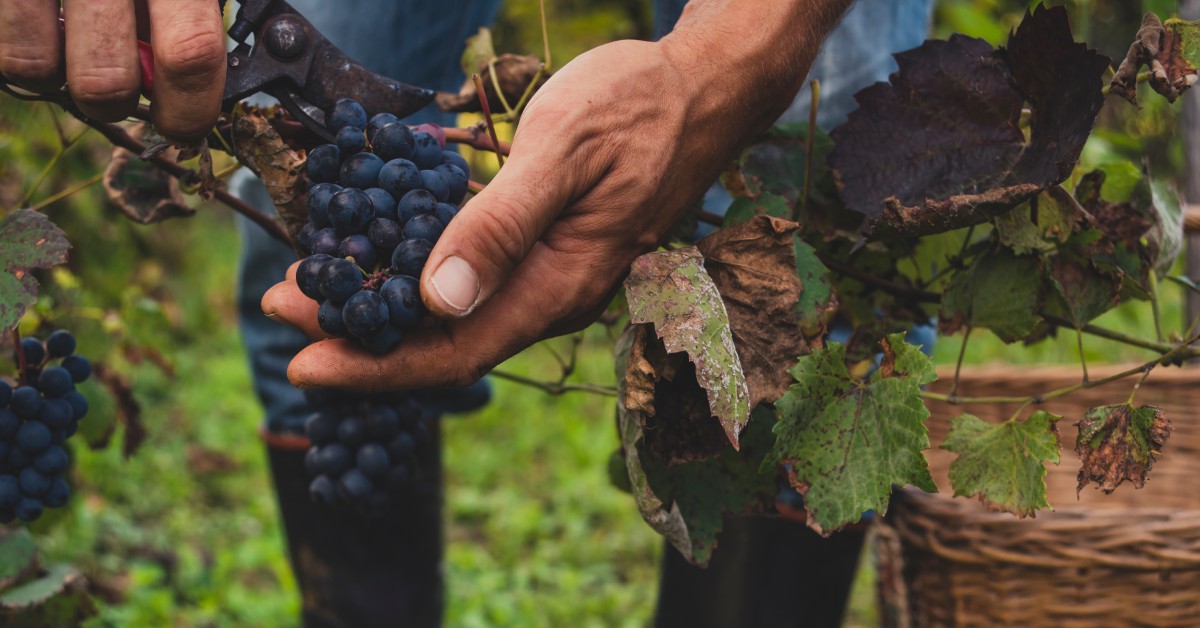
Other notable regions include Champagne in France, the Rhône Valley, Italy’s Piedmont and Tuscany regions, and California’s Napa Valley. Each area has its star producers and celebrated vintages. A vintage plays a critical role in a wine’s quality and investment potential. Favorable weather conditions lead to exceptional vintages that produce wines with greater complexity and aging potential, making them highly sought after by collectors.
Assessing Wine Quality
Determining a wine’s investment potential requires careful assessment. Provenance, or the history of a wine’s ownership and storage, is paramount. A bottle with a documented history of storage in professional, temperature-controlled conditions will command a higher price than one with an unknown history. Collectors value the assurance that a wine has been properly cared for throughout its life, as improper storage can irreversibly damage its quality.
Reputable critics and their scoring systems also offer valuable guidance. Critics like Robert Parker, Jancis Robinson, and Antonio Galloni provide expert evaluations and assign scores, typically on a 100-point scale. Wines that receive high scores from multiple respected critics often see their value increase. These scores provide a standardized measure of quality that helps investors navigate the market and identify promising bottles.
Building a Wine Portfolio
Constructing a wine portfolio requires a clear strategy.
Create a Budget
First, establish a budget. Fine wine can be an expensive passion, so it is important to determine how much you are willing to allocate to it. Your budget will influence the types of wines you can acquire and the scale of your collection.
Diversification
Diversification is just as important in wine as it is in traditional investing. Rather than focusing on a single producer or region, a diversified portfolio should include wines from various areas, vintages, and producers. This approach helps mitigate risk, as wine performance can vary. A well-rounded collection might consist of blue-chip Bordeaux, sought-after Burgundy, and promising selections from Italy or California. This strategy balances established performers with wines that have high growth potential.
Proper Wine Storage and Transportation
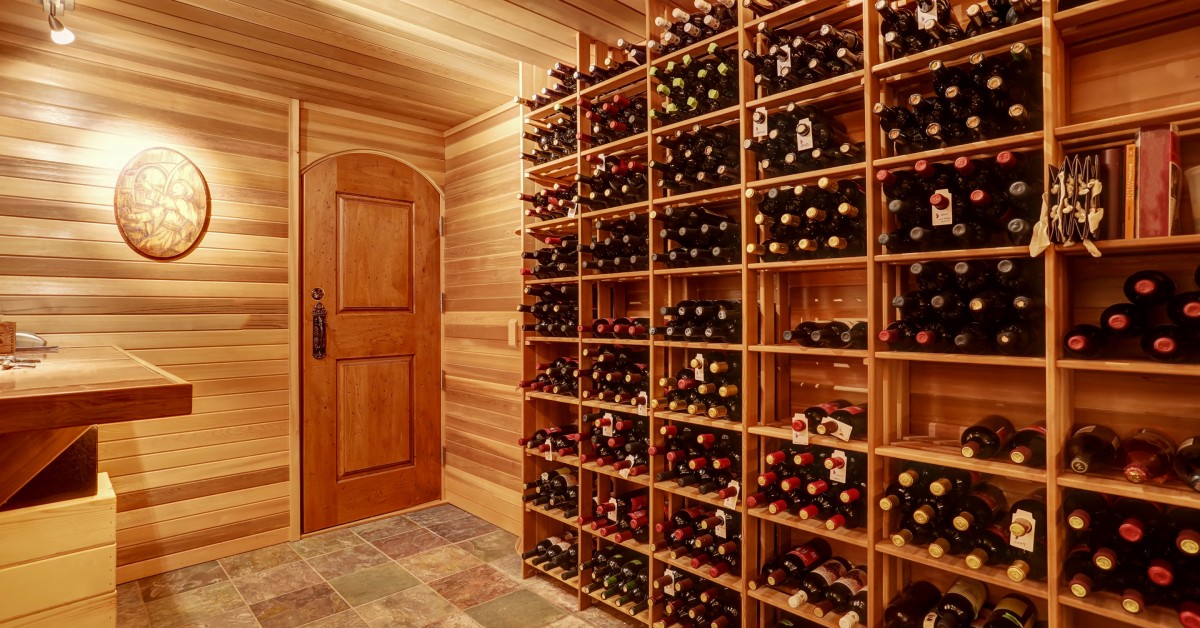
The long-term value of your wine collection depends entirely on its storage conditions. Wine is a delicate product that is sensitive to its environment. Fluctuations in temperature, humidity, light, and vibration can all negatively affect its quality and aging. For serious collectors, a professional-grade wine cellar or off-site storage facility is essential. These facilities maintain a constant temperature, typically around 55°F (13°C), and controlled humidity levels, protecting your investment from spoilage.
When it comes time to move your collection, whether to a new home or a different storage facility, using professional wine movers is critical. Specialized companies like Appellation Transport understand the complexities of moving valuable wine collections. They use temperature-controlled vehicles, hub warehouses, and secure packaging to transport bottles over long distances safely, preserving their integrity from pickup to delivery. This professional handling protects your investment and provides peace of mind. Any reputable wine mover like Appellation will also carry specialized all-risk insurance to insure your investments against any unexpected loss or damage.
Buying and Selling Fine Wine
There are several channels for buying and selling fine wine. Auctions are a popular venue for acquiring rare and high-value bottles. Reputable auction houses like Hart Davis Hart, Sotheby’s, Benchmark, WineBid, Christie’s, and Zachys provide access to a global market of collectors. Before participating in an auction, it is wise to research the wines on offer and set a firm budget.
Reputable retailers and brokers also offer a wide selection of investment-grade wines. They can provide expert advice and help you source specific bottles for your collection. Private sales, directly between collectors, are another option, though they require a high degree of trust and knowledge. When selling, these same channels can help you reach potential buyers and achieve a fair market price for your wines.
Expert Tips for Success
To succeed in wine investing, focus on education. Read books, follow reputable critics, and taste as much as you can. Developing your palate and knowledge will help you make more informed decisions. Building relationships with trusted merchants and advisors can also provide invaluable guidance. Finally, have patience. Fine wine is a long-term investment. It takes years, sometimes decades, for a wine to reach its peak maturity and value.
Unlock the World of Wine Investing
Investing in fine wine offers a unique blend of passion and profit. It allows you to engage with a tangible asset that has a rich history and a promising future. By understanding the key regions, assessing quality, and building a diversified portfolio, you can create a collection that brings both financial rewards and personal enjoyment.