

Explained: The Truth About Wine Bottle Shock
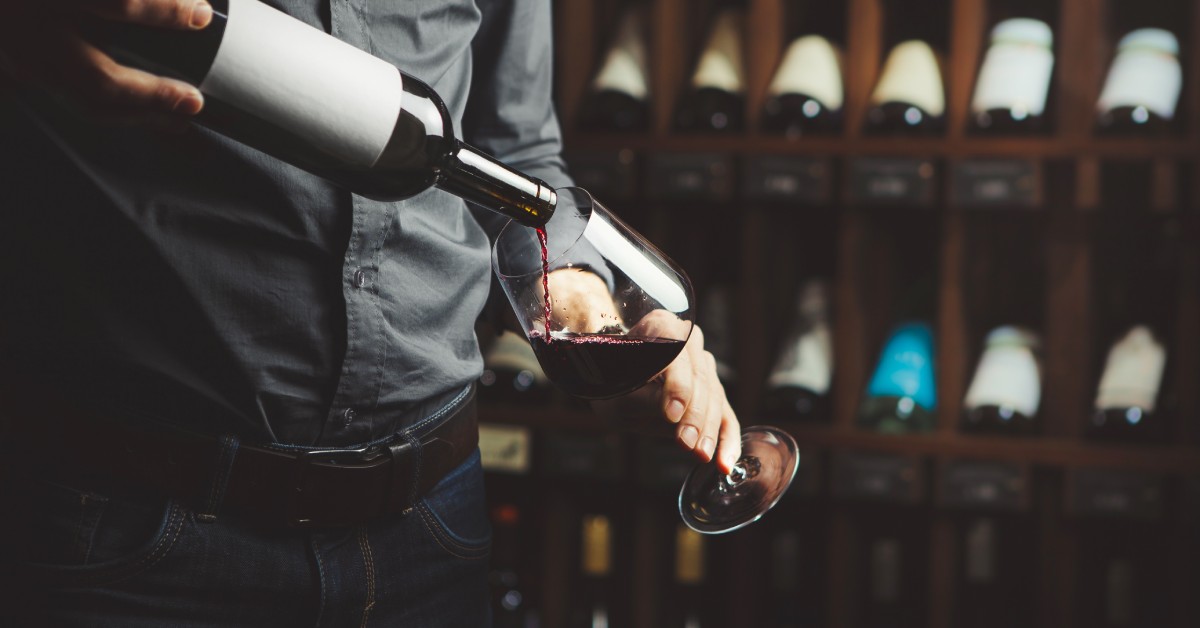
You have just received a prized case of wine, perhaps from an auction or a direct shipment from a favorite vineyard. You open a bottle, anticipating the complex aromas and flavors you know and love, only to find it muted, disjointed, and disappointingly flat. The fruit seems suppressed, the structure is gone, and the wine tastes nothing like it should. This frustrating experience may be a classic case of wine bottle shock.
For private wine collectors, understanding this phenomenon is crucial. Bottle shock, also known as bottle sickness, is a temporary condition that can affect any wine, regardless of its quality or age. It is a temporary state where a wine’s flavors and aromas become muted or disjointed after travel or bottling. While it can be alarming, especially when dealing with valuable and rare vintages, the condition is not permanent. With a bit of knowledge and a lot of patience, your wine can fully recover and return to its intended glory.
Understanding the causes, symptoms, and remedies for wine bottle shock helps protect your investment and allows you to enjoy each bottle at its peak. It is a natural part of a wine’s journey, a brief period of dormancy before it reawakens. Recognizing and respecting this phase is a hallmark of a knowledgeable collector.
What Causes Wine Bottle Shock?
Wine is a complex and delicate beverage, composed of hundreds of chemical compounds, including phenols, esters, and tannins. These elements interact with one another to create the intricate tapestry of flavors, aromas, and textures that define a wine’s character. Bottle shock occurs when this delicate chemical balance is disturbed.
Agitation
The primary cause is agitation. The constant motion and vibration experienced during transit—whether by truck, plane, or ship—can shake up the wine’s components. This jostling disrupts the subtle interplay of molecules that have been slowly integrating and evolving. The wine’s structural compounds, which provide its body and mouthfeel, can temporarily fall out of sync with its aromatic compounds. This results in a wine that feels structurally sound but aromatically closed off, or vice versa.
Temperature Fluctuations
Temperature fluctuations during transit can exacerbate the problem. Exposure to excessive heat or cold forces the wine to expand and contract, placing additional stress on its chemical structure. Even minor variations can impact the wine’s equilibrium. This impact is why professional wine transportation services prioritize consistent, cool temperatures.
Bottling Process
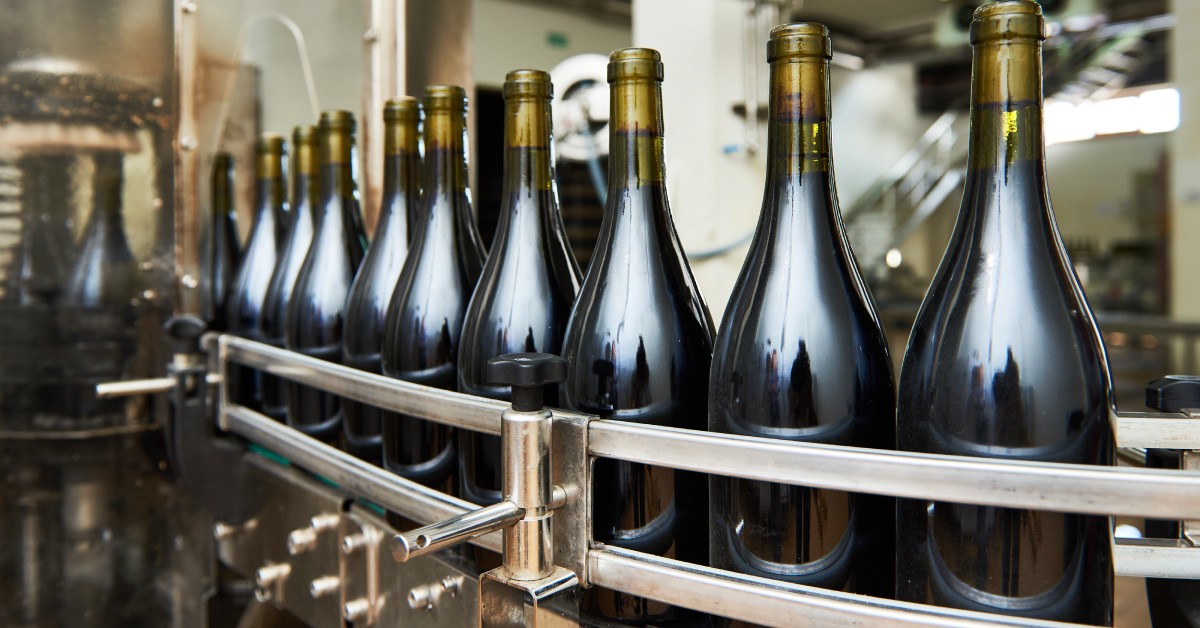
The bottling process itself is a significant trigger for bottle shock. During bottling, the wine is exposed to oxygen and undergoes a turbulent journey through pumps and hoses before being sealed. This combination of agitation and oxygen exposure can temporarily stun the wine, requiring a period of rest for it to stabilize and integrate.
How To Identify Wine Bottle Shock
Identifying bottle shock can be challenging because its symptoms can be subtle and may mimic other wine faults. The most common sign is a muted or subdued aromatic profile. A wine that should be bursting with notes of fruit, flowers, or spice may smell surprisingly neutral or nondescript. The vibrant aromas you expect are simply not there.
On the palate, the wine may taste disjointed or “dumb.” The flavors can seem flat, lacking their usual depth and complexity. Bottle shock may suppress the fruit character, making the wine taste thin or hollow. In some cases, the wine’s components may feel disconnected. For instance, the acidity might seem sharp and separate from the fruit, or the tannins might feel awkward and unintegrated. The wine lacks the seamless harmony that defines a well-balanced bottle.
A wine suffering from bottle shock does not taste spoiled or flawed in the way a corked or oxidized wine does. It simply tastes muted and lifeless. It is as if the wine has temporarily lost its personality. For a collector familiar with a particular wine, this change is often immediately apparent. A subdued and underwhelming version replaces the vibrant, expressive character you remember.
How To Prevent Wine Bottle Shock
While you cannot completely eliminate the risk of bottle shock, especially when shipping wine, you can take steps to minimize its impact. The most effective preventative measure is to control the wine’s environment during transit. Proper wine transportation is not just about moving bottles from one point to another; it is about preserving their integrity.
Using a specialized service that offers climate-controlled shipping is paramount. These services maintain a constant, cool temperature, typically around 55°F, which is ideal for wine. This stability prevents the drastic temperature fluctuations that can stress the wine and worsen the effects of agitation. A consistent environment helps the wine’s chemical components remain as stable as possible during their journey.
Limiting the amount of agitation the wine experiences also helps. While some motion is unavoidable, professional shippers use secure packaging and careful handling techniques to minimize jostling. The less shaken the wine is, the less you disturb its delicate chemical balance. When receiving a shipment, handle the cases gently and move them to their final resting place with care. Unnecessary movement will only prolong the recovery period.
What To Do if Your Wine Is Experiencing Bottle Shock
If you open a bottle and suspect it is suffering from bottle shock, the best and only course of action is to be patient. There is no quick fix or special technique to reverse the condition. The wine simply needs time to rest and recover.
Secure the cork back into the bottle as tightly as possible to prevent further oxidation. If you have a vacuum-sealing device, use it to remove the air from the bottle. Then, place the wine in a cool, dark, and stable environment, such as a wine cellar or refrigerator. Allow it to rest undisturbed for at least a few days before revisiting it. In many cases, this short period of rest will be enough for the wine to begin showing signs of recovery.
The most important thing is to avoid making a final judgment about the wine based on its state during bottle shock. It is easy to assume that you ruined the prized bottle, but this is rarely the case. Resisting the urge to pour it down the drain requires discipline, but the wine bottle will reward your patience.
How Long Does Wine Bottle Shock Last?
The duration of bottle shock varies widely and depends on several factors, including the type of wine, its age, and the severity of the agitation it endured. There is no universal timeline, but some general guidelines can help set your expectations.
Young, robust wines often recover relatively quickly, sometimes within a few days or a week. Their vibrant chemical structures are resilient and can bounce back from travel disruptions without much delay. Older, more delicate wines, however, are far more sensitive. Their complex, evolved structures have achieved a fragile equilibrium over many years. When this balance is disturbed, it can take much longer for the wine to reintegrate. For a mature Bordeaux or Burgundy, the recovery period could be several weeks or even months.
As a general rule, it is wise to let any shipped wine rest for at least one to two weeks upon arrival before opening a bottle. For particularly valuable or older wines, a resting period of four to six weeks is a safer bet. This “traveling rule” allows the wine’s components to settle and reintegrate, giving you a better chance to experience the wine as the winemaker intended.
The Importance of Professional Wine Transport
Protecting your wine collection requires more than just a proper cellar; it demands careful attention during every step of its journey. The phenomenon of wine bottle shock underscores the critical importance of professional wine transport. Agitation and temperature fluctuations are the primary culprits behind this temporary condition, and minimizing them is the key to preserving the quality and integrity of your wines.
By entrusting your collection to the experts at Appellation Wine Transport, you can significantly reduce the stress your bottles endure during a move. Climate-controlled vehicles and meticulous handling practices provide a stable environment that safeguards your investment. While bottle shock may be an unavoidable part of a wine’s life, thoughtful transportation and patient cellaring allow each bottle to reach its full potential, delivering the exceptional experience you expect and deserve.