

Debunked: 14 Common Myths About Wine Storage
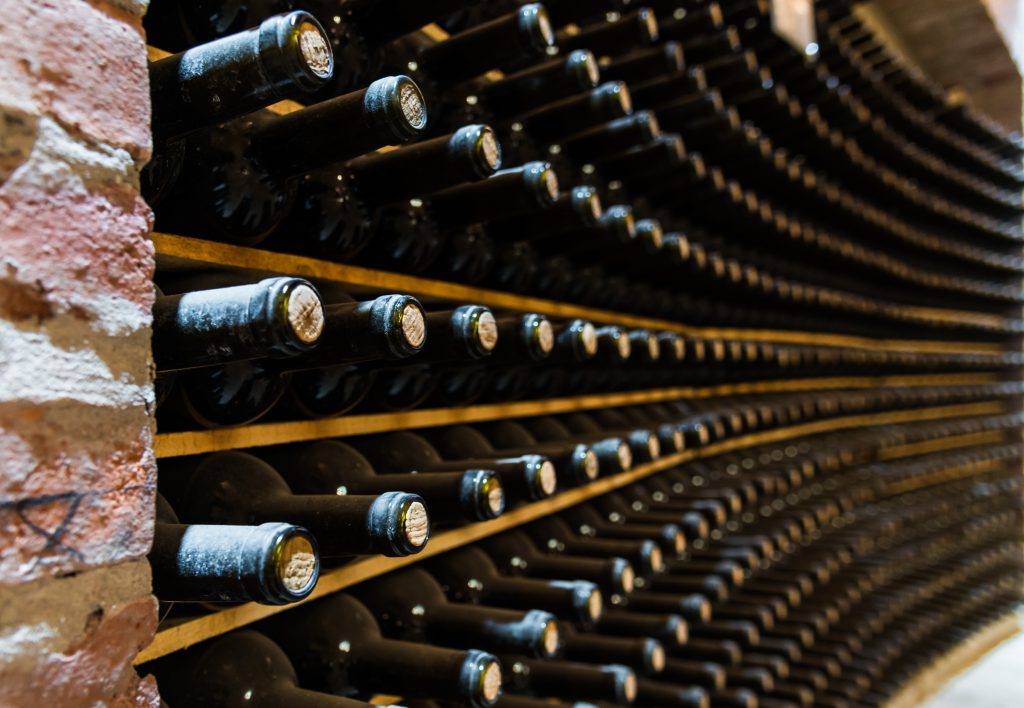
Proper wine storage is essential for preserving the quality of your collection. Unfortunately, misinformation about how to store wine is widespread and leads to costly mistakes. From misconceptions about temperature to beliefs about bottle orientation, these myths can impact your wine’s aging potential. Read on to have the most common myths about wine storage debunked.
Myth: All Wines Should Be Stored in the Refrigerator
Storing wine in a standard refrigerator might seem like a good idea, but it’s not ideal for long-term storage. Refrigerators are too cold and can dry out corks, leading to oxidation. While refrigerators are fine for chilling wine before serving, extended storage requires a more stable environment. Wine needs consistent temperatures around 55°F, which food fridges can’t support. To preserve your wine’s quality, invest in a wine fridge or dedicated storage space designed for optimal conditions.
Myth: Light Doesn’t Affect Wine
Many people assume that light exposure doesn’t harm wine, but ultraviolet rays can degrade it over time. Sunlight and fluorescent lights can break down compounds in the wine, altering flavor and aroma. Even wines stored in dark-colored bottles aren’t entirely immune to light damage. It’s essential to store your bottles in a dim or dark environment, such as a wine cellar or wine fridge with UV-resistant glass doors, to protect your collection from unnecessary exposure.
Myth: All Wines Improve With Age
Not all wines are meant to be aged, and this misconception often leads to disappointment. Most wines available today are designed for immediate enjoyment and peak within a few years. Aging wine requires specific conditions and is suitable only for certain types, such as high-quality reds or sweet wines. Before setting a bottle aside for years, research whether it’s age-worthy. Otherwise, you may find the wine has lost its vibrancy and appeal when you finally open it.
Myth: Horizontal Storage Is Always Necessary
While horizontal storage is crucial for wines sealed with corks, it’s unnecessary for bottles with screw caps or synthetic stoppers. The purpose of horizontal storage is to keep the cork moist, which prevents it from drying out and allowing air to enter the bottle. Screw caps and synthetic closures don’t have this issue, so storing them upright is perfectly fine.
Myth: Vibrations Don’t Impact Wine
Vibrations can disturb wine, particularly those you plan to age for years. Constant movement agitates the sediment and accelerates chemical reactions, which can negatively affect the wine’s flavor and aging process. Store wine in a stable location, away from heavy machinery, appliances, or areas with frequent movement. Investing in a vibration-free wine storage system ensures your bottles remain undisturbed and can age gracefully.
Myth: Humidity Levels Don’t Matter
Humidity is a crucial factor in wine storage. If the environment is too dry, corks can shrink and allow for oxidation. On the other hand, excessive humidity can promote mold growth and damage labels. Ideally, humidity levels should stay between 50 and 70 percent. Use a hygrometer to monitor conditions and a humidifier or dehumidifier as necessary to maintain the perfect balance.
Myth: Any Temperature Is Fine for Wine Storage
As we have mentioned, consistent temperature is key to preserving wine quality, and fluctuations can be detrimental. Rapid changes cause the liquid to expand and contract, which may compromise the seal and introduce oxygen. The ideal storage temperature is between 45°F and 65°F, with 55°F being optimal for most wines. Avoid placing wine in areas subject to temperature swings, such as garages or attics, to maintain its integrity.
Myth: Wine Cellars Are Only for the Wealthy
Wine cellars are often associated with luxury, but modern solutions make proper wine storage accessible to all. Compact wine coolers and wall-mounted racks provide affordable options for collectors without space for full cellars. Customizable designs allow enthusiasts at any budget to create environments that mimic cellar conditions. The key is to prioritize consistent temperature, humidity, and light protection, regardless of storage size or expense.
Myth: Plastic Stoppers Are Inferior
Many people believe that plastic stoppers are inferior to natural cork, but this isn’t always true. While cork remains traditional, synthetic closures provide reliable sealing without the risk of cork taint. They also, as we mentioned, eliminate the need for horizontal storage. Trusting modern advancements can enhance your wine storage strategy without compromising quality.
Myth: You Can Store Wine Anywhere
Storing wine in the kitchen, the living room, or near windows is a common mistake. These areas are prone to temperature fluctuations and light exposure. Even cabinets may not provide stable conditions. A dedicated storage area with controlled temperature, humidity, and lighting is essential. Options like wine fridges or cool, dark basements are better choices for ensuring your wine remains in peak condition.
Myth: All Wine Racks Are the Same
Not all wine racks are created equal. For instance, some don’t provide adequate support or spacing for different bottle sizes. Inadequate racks can lead to instability or improper orientation. Choose racks designed for wine storage, with sturdy construction and proper spacing for all types of bottles. Quality wine racks protect your collection and enhance organization, ensuring every bottle is easily accessible and safely stored.
Myth: Screw-Cap Wines Don’t Need Precise Storage
Even though screw caps provide a tight seal, they still benefit from consistent temperature and humidity. Screw-cap wines may not require horizontal storage, but they demand the same environmental care to preserve their flavors. Proper storage ensures both cork and screw-cap wines age gracefully and maintain their quality, allowing you to enjoy them at their best.
Myth: Professional Help Isn’t Necessary
For large collections or valuable bottles, professional guidance can be exceptionally helpful. Experts can recommend proper storage solutions, assess environmental conditions, and assist with building a custom cellar. Professional services, such as wine consultants or storage companies, help protect your investment and ensure every bottle is preserved under the best conditions. Their expertise is invaluable for maintaining the quality and longevity of a collection.
Myth: Moving Wine Is Easy
Relocating wine requires careful planning and expertise. Environmental changes during a move can disrupt the wine’s condition, especially for aged bottles. Professional wine cellar movers pack bottles securely, store them at the correct temperature, and transport them with minimal vibration. Their services protect your collection during relocation, preserving its value and quality.
Now that we’ve debunked common myths about wine storage, you can better protect your collection and enjoy your wine at its best. Best of luck, and when the time comes to transport your collection, remember to reach out to Appellation Wine Transport for the utmost peace of mind.