

A Complete Guide to Organizing Your Wine Collection
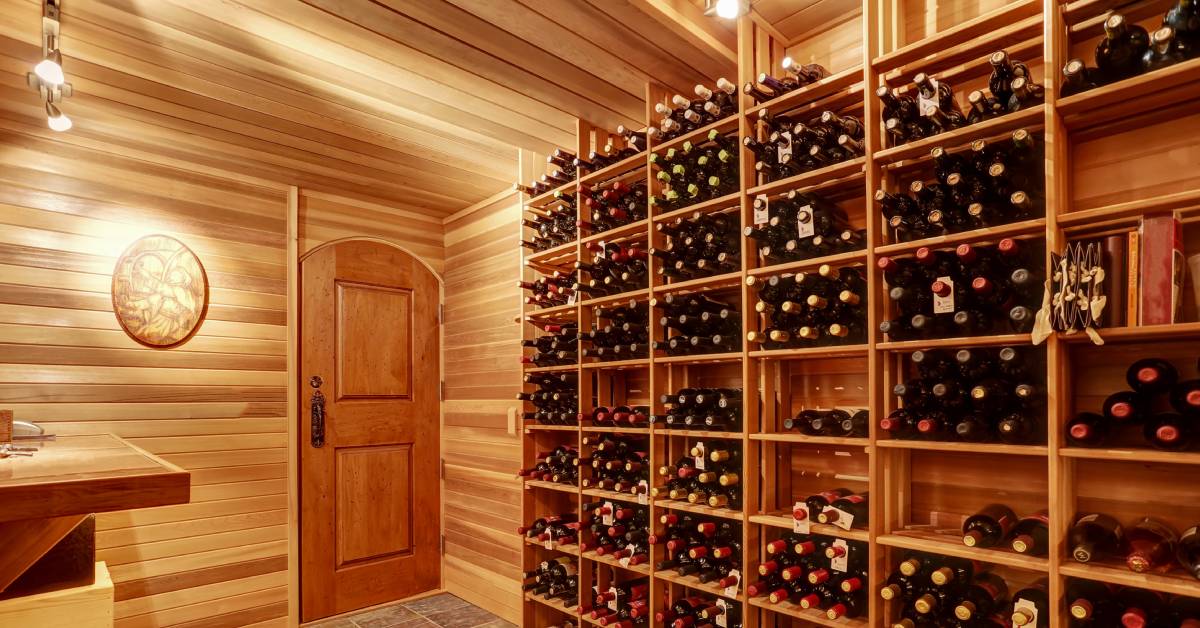
A well-organized wine collection makes every bottle stored correctly, easy to find, and ready to enjoy at any perfect moment. Whether you have a modest selection or a growing cellar, creating a system for storing and cataloging your wines preserves their quality and maximizes their value. From choosing the right storage environment to implementing a digital inventory tracking system, this complete guide to organizing your wine collection will help you manage your collection.
Assess Your Wine Collection
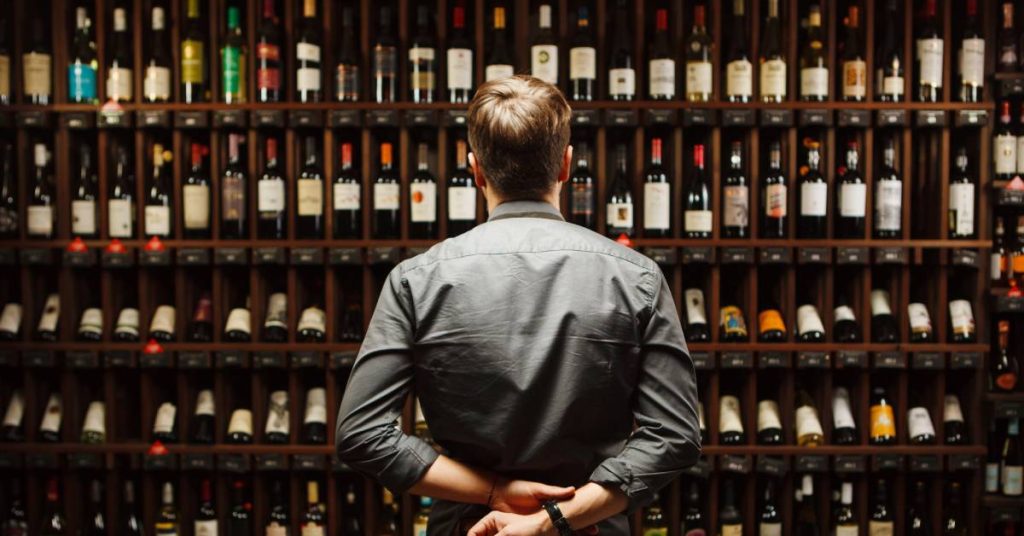
Before implementing an organization system, take inventory of your current wine collection. Gather all the bottles and sort them by type, region, vintage, or any category that makes sense for your preferences. Understanding what you have helps you determine storage needs, identify duplicates, and create a plan for organizing.
If you notice wines that are nearing their peak drinking window, prioritize them for upcoming occasions. A clear assessment allows you to design a system that accommodates your collection as it grows.
Choose the Right Storage Location
Selecting the right storage space is critical for maintaining wine quality. Store wine in a cool, dark place with a consistent temperature between 55 and 60 degrees Fahrenheit. Basements, wine cellars, and dedicated wine fridges are excellent options.
Avoid placing wine near heat sources, direct sunlight, or areas with fluctuating humidity. Consistent conditions prevent premature aging and oxidation, ensuring that every bottle retains its intended flavor profile. If there’s limited space, consider vertical storage racks or modular wine cabinets that maximize the space.
Invest in High-Quality Wine Racks
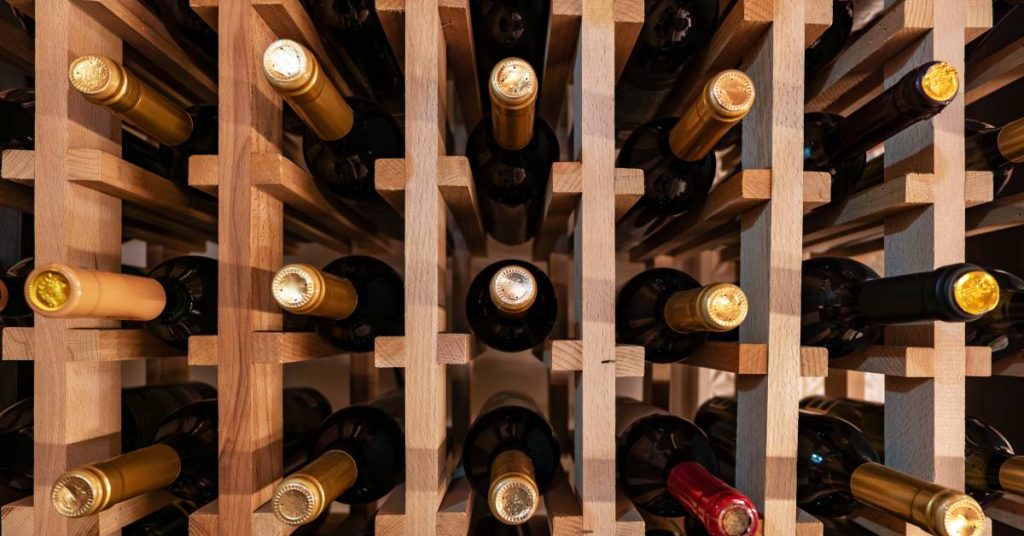
Wine racks play a crucial role in keeping your bottles secure and organized. Horizontal storage is the preferred method because it keeps the cork moist and prevents air from seeping into the bottle.
Wooden or metal racks provide stability and allow for easy access to each bottle. Adjustable or stackable racks offer flexibility, making it easy to expand your collection over time. If you’re investing in a wine cellar, custom-built racks ensure an optimal arrangement that suits your space and aesthetic preferences.
Organize the Wine by Type
Sorting your collection by wine type helps streamline selection when choosing a bottle. Group reds, whites, rosés, and sparkling wines separately, as each has different storage and serving requirements. White and sparkling wines should be easily accessible for chilling. You can move red wines to room temperature before serving.
Within each category, further organize the bottles by grape varietal or country of origin, making it effortless to find the right bottle for any occasion. A well-categorized collection simplifies inventory management and enhances your wine experience.
Label Each Wine Bottle
For easy identification, label each bottle with key details such as vintage, producer, and region. Some wine racks make it difficult to see original labels, so adding custom tags or neck labels can improve visibility. Handwritten or printed tags help you locate bottles without disturbing their storage position.
If you have wines that you should open within a specific time frame, color-coded labels can serve as visual reminders. A clear labeling system prevents confusion and prevents overlooking any bottle.
Use a Digital Wine Inventory System
Tracking your collection digitally streamlines organization and prevents bottles from being forgotten. Wine inventory apps allow you to log bottle details, tasting notes, and optimal drinking windows. Some apps even offer barcode scanning for quick data entry.
If you prefer a more hands-on approach, spreadsheets provide a simple yet effective way to document inventory, purchase history, and cellar locations. Digital tracking ensures that you always know what’s in your collection and helps you plan purchases wisely.
Rotate Bottles for Accessibility
An organized collection should allow for easy access to frequently used wines. Arrange bottles so that those meant to be consumed sooner are within reach, while long-term aging wines are in less frequently accessed areas.
If you enjoy everyday wines, create a designated section for bottles that don’t require extensive aging. Position wines nearing their peak toward the front as a reminder to enjoy them before their quality declines. Rotating bottles prevents aging wines from becoming buried and forgotten.
Manage Wine by Its Drinking Window
Each wine has an ideal drinking period, and keeping track of these windows prevents missed opportunities. Categorize your collection based on wines that should be consumed soon, those aging gracefully, and investment bottles meant for long-term storage. If possible, add expiration tags or a simple color-coding system to highlight drinking windows.
Tasting notes can also help refine your drinking strategy. This will help you open each bottle at the right time for maximum enjoyment.
Account for Special Occasion Wines
Some people reserve wines for milestones, celebrations, or sentimental occasions. Create a dedicated section for these bottles by securely storing them to avoid disturbances. Whether it’s a wedding anniversary wine or a rare vintage, keeping these special bottles separate allows you to keep track of them. You can even attach notes about the intended event.
Establish Proper Humidity Levels
Wine corks require consistent humidity to maintain their integrity. Ideally, storage areas should have a humidity level between 50 and 70 percent to prevent corks from drying out or mold from developing.
If the space lacks humidity control, use a small humidifier to add moisture to the air. Wine fridges commonly have built-in humidity settings to regulate conditions automatically. Keeping humidity levels stable preserves the wine’s quality and prevents spoilage due to air exposure.
Protect the Bottles From Light Exposure
UV light can cause wine to age prematurely, leading to flavor deterioration. Keeping bottles in a dark storage area or using UV-protected glass doors minimizes exposure. Avoid placing bottles on open racks near windows or artificial light sources. Many wine cellars have dim lighting to reduce light-related damage. If you have no choice but to store wine in a bright area, consider using opaque wine bags or covers to shield bottles from light sources.
Work With Wine Movers for Large Collections
For collectors with extensive inventories, working with professional wine movers is the best way to ensure a safe transition. These experts specialize in handling, packing, and transporting wine with temperature-sensitive care. Whether relocating to a new home or moving a cellar to a different location, wine movers provide the expertise and materials needed to prevent damage to your collection. They also offer inventory management to guarantee that each bottle arrives at its destination in impeccable condition. When dealing with rare or valuable wines, enlisting professionals guarantees the best possible outcome.
Now that you know how to organize your wine collection, you can create a system that preserves quality, maximizes accessibility, and grows with your needs. A well-maintained collection enhances your wine experience, making it easier to appreciate and share your favorite selections.