

10 Wine Storage Mistakes You Should Avoid
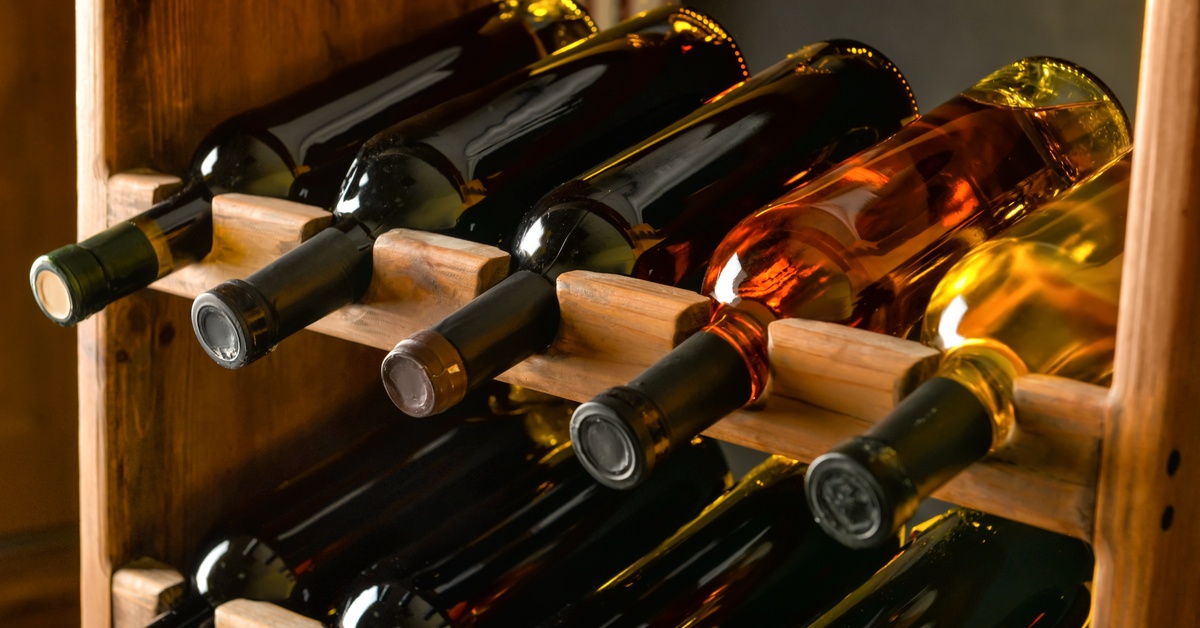
Storing wine might seem straightforward, but there’s far more to it than simply finding a cool, dark corner. Whether you’re a seasoned collector or just starting your wine journey, proper storage preserves their quality, taste, and value. Factors such as temperature, humidity, light exposure, and bottle orientation can make or break your investment. A few common missteps can lead to premature aging or spoilage, which no wine enthusiast wants. If you want to enjoy every sip at its best, it pays to store wine the proper way. Keep reading to uncover the wine storage mistakes you should avoid.
Storing Wine at the Wrong Temperature
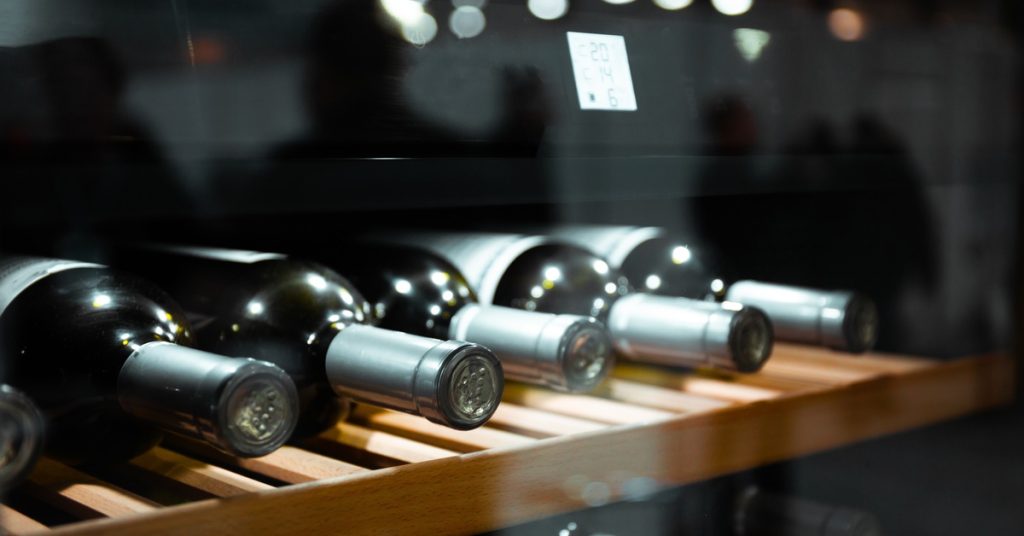
One of the most damaging mistakes you can make with wine storage is keeping bottles at an inconsistent or inappropriate temperature. Wine is highly sensitive to heat, and temperatures above 70°F accelerate aging. Conversely, you risk drying out the cork or freezing the liquid if it’s too cold. The ideal storage temperature for wine is generally around 55°F, though some variation is acceptable depending on the type. Maintaining that temperature consistently is more important than being precise to the degree. Temperature fluctuations stress the wine, eventually compromising its structure, flavor, and aroma.
Failing To Control Humidity
Humidity is frequently overlooked when storing wine. Corks require a specific moisture level to stay intact and provide an airtight seal. If the environment is too dry, the cork may shrink or crack, allowing oxygen into the bottle. Too much humidity, on the other hand, can promote mold growth and damage labels, which reduces the resale value of collectible wines. A range of 60 to 70 percent relative humidity is ideal for most wine collections. Consider using a hygrometer and humidifier or dehumidifier in your storage space to maintain that critical balance year-round.
Storing Bottles Upright
Keeping wine bottles in an upright position for extended periods is a mistake that will damage your collection. While retail displays often showcase bottles standing up, this orientation isn’t meant for long-term storage. Wine bottles should lie on their sides to ensure the liquid keeps the cork moist. A dry cork can lead to oxidation, turning your prized bottle into a vinegar-like mess. Side storage also helps distribute sediment evenly in aged wines. Racks specifically designed for horizontal storage are best for maintaining quality and preserving the integrity of the wine over time.
Allowing Exposure To Light
Light, especially ultraviolet (UV) rays, is a silent destroyer of wine. Excessive exposure to direct sunlight or harsh indoor lighting can break down the delicate compounds in wine, altering flavor and color. This phenomenon, known as light strike, is particularly problematic for white and sparkling wines housed in clear or green bottles. Always store your wine in a dark environment or behind UV-protected glass. Even in a well-designed wine cellar, use low-intensity lighting and keep it off when not in use. Protecting your bottles from unnecessary light exposure preserves both taste and aging potential.
Ignoring Vibration Risks
Vibration might not seem like a big deal at first glance, but it can wreak havoc on your wine over time. Constant or even occasional vibrations from nearby appliances, foot traffic, or poorly designed storage units disturb the sediment in the bottle and accelerate chemical reactions. This disrupts the wine’s aging process and may introduce unwanted flavors. Wine is a patient product meant to rest quietly and evolve slowly. If you’re serious about preservation, choose a vibration-free storage location and avoid storing wine near washing machines, speakers, and garage doors.
Using the Kitchen or Laundry Room
Convenient as it may seem, the kitchen or laundry room is one of the worst places to store wine. These areas are exposed to frequent temperature changes, humidity spikes, and vibration—all enemies of proper wine storage. In a kitchen, heat from ovens and stoves compromises temperature consistency. Laundry rooms combine high humidity and strong detergents that can affect the environment. For the best results, designate a separate area like a wine fridge, cellar, or specialized cabinet that maintains consistent temperature and humidity, away from heat sources and strong odors.
Neglecting Security for High-Value Collections
If you’ve invested in high-end or rare bottles, failing to secure them properly is a serious oversight. Whether you’re storing wine at home or in a shared cellar, protect your investment with a locking cabinet, security system, or even temperature-controlled wine lockers for extra protection. Wine theft is more common than most collectors realize, especially in shared spaces. Aside from theft, proper inventory management strengthens security. Knowing what you own, how it’s stored, and where it’s located prevents losses and organizational problems. A secure, well-organized setup ensures your investment stays safe and accessible.
Crowding the Storage Space
Overpacking your storage area may seem efficient, but it creates multiple problems. Wine bottles need a bit of space between them to allow for proper air circulation. Crowding the storage space leads to inconsistent temperatures across the collection, especially in a wine fridge or small cellar. It also increases the risk of accidentally knocking bottles over when retrieving others. Cramped conditions can damage labels and make inventory harder to manage. If you’re running out of room, consider expanding your storage system or rotating out wines ready to drink. A well-spaced wine rack protects your collections while remaining functional.
Forgetting To Track Inventory
Not knowing what’s in your collection can lead to missed drinking opportunities or wasted bottles. It’s easy to lose track of your wine bottles, especially if your collection spans multiple shelves, boxes, or locations. Neglecting inventory makes you more likely to forget what needs to be consumed soon or fail to notice if something is missing or damaged. Implement a digital inventory system, spreadsheet, or app to log details like vintage, varietal, location, and ideal drinking window. Regular check-ins help ensure your collection is aging appropriately and that you’re getting the most value out of your stored wines.
Not Hiring Professionals When Needed
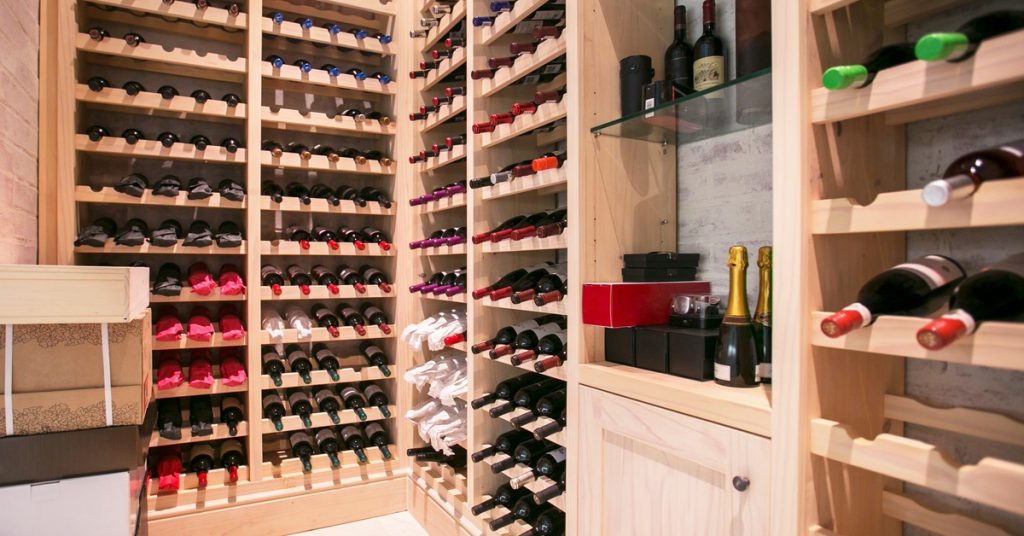
As your collection grows or becomes more valuable, you may need expert help to move, store, or manage it. Wine moving companies specialize in the safe and secure transportation of bottles across long distances or during relocations. These companies offer temperature-controlled vehicles, proper packing materials, and insurance for added peace of mind. Trying to move your collection yourself, especially in hot or freezing weather, risks spoilage or breakage. For wine collections with rare or sentimental bottles, it’s worth investing in the expertise of professionals. Wine moving companies provide the reliability and protection your collection deserves.
Now that you know the wine storage mistakes you should avoid, you’re better equipped to protect the quality, taste, and value of your collection. From temperature control and humidity to using wine moving companies when needed, every detail matters. With mindful practices and the right support, your wine can age gracefully and deliver the exceptional experience it was meant to.