

What Impact Does Transportation Have on Wine Quality?
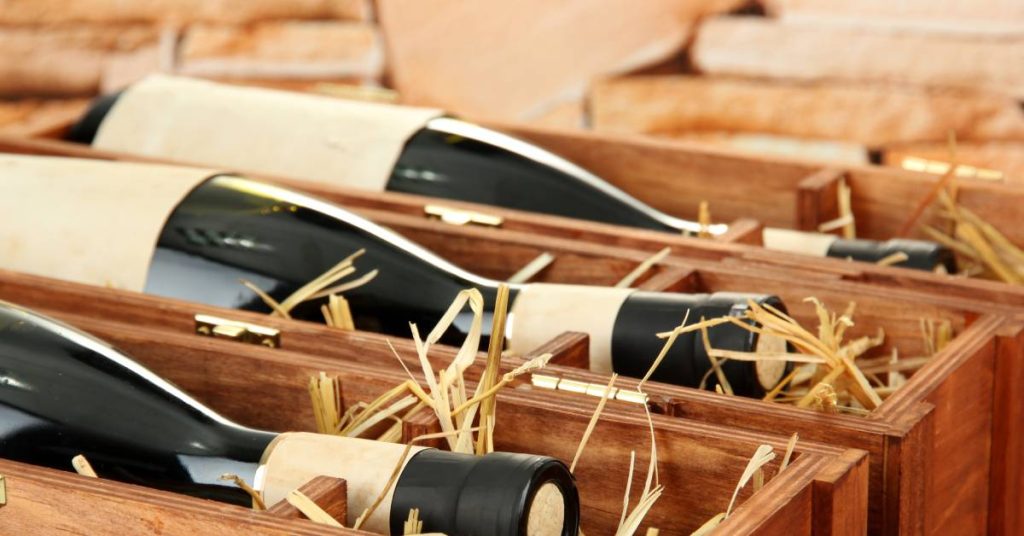
The journey from vineyard to table is crucial in determining wine quality. Whether it’s crossing continents or traveling locally, how wine is transported can influence its taste, nose, and overall integrity. Temperature fluctuations, vibrations, and improper handling during transport can affect even the finest vintages. Understanding the challenges of wine transportation helps industry professionals and enthusiasts ensure that every bottle arrives in perfect condition. Read on to learn what impact transportation has on wine quality.
Temperature Sensitivity

Temperature is one of the most critical factors in preserving wine quality during transport. Ideal storage conditions range between 55 and 65 degrees Fahrenheit. Fluctuations outside this range can cause chemical reactions that alter the wine’s flavor profile. Heat accelerates aging and can create unpleasant aromas, while extreme cold risks freezing and breaking the bottle. Temperature-controlled shipping methods, such as refrigerated containers, are essential for maintaining wine’s delicate balance during transit.
Impact of Prolonged Exposure to Heat
Prolonged exposure to heat during transportation is particularly damaging to wine. Elevated temperatures can lead to “cooked” wine, a term describing a flattened taste profile with diminished fruit flavors. Overheated wine may also push the cork out slightly, compromising the seal and allowing oxygen to enter. Once exposed to oxygen, the wine begins to oxidize, further degrading its quality. Ensuring that wine is not subjected to high temperatures for extended periods is critical for maintaining its intended characteristics.
Cold Temperatures and Their Risks
While heat is a major concern, cold temperatures also pose risks to wine quality. Exposure to freezing temperatures can cause the liquid inside the bottle to expand, potentially breaking the glass or pushing the cork out. This not only results in spillage but also introduces oxygen, leading to spoilage. Cold damage is particularly problematic during winter shipments, making insulated or climate-controlled packaging vital for safe transport.
Vibration During Transit
Vibration from transportation methods, such as trucks or trains, can disrupt the delicate balance of wine. Prolonged vibration can disturb sediment in aged wines, clouding their color and affecting taste. Over time, vibration may also accelerate chemical reactions, altering the wine’s structure. Minimizing vibration through secure packing and choosing appropriate transport methods helps preserve wine quality, particularly for older or high-end bottles.
Effects of Light Exposure
Direct light exposure during transport can degrade wine quality, particularly for bottles in clear or light-colored glass. Ultraviolet rays break down chemical compounds in the wine, leading to “lightstruck” flavors characterized by unpleasant odors and off-notes. Protecting wine from light with opaque packaging or UV-resistant materials is essential for preserving its original character.
Humidity Levels
Humidity plays a key role in maintaining the integrity of a wine bottle’s cork. Too little humidity can cause the cork to dry out, shrinking it and allowing oxygen to enter the bottle. Excessive humidity, on the other hand, can promote mold growth on labels and packaging. Maintaining a balanced humidity level, ideally between 50 and 80 percent, helps ensure the cork remains intact and the wine stays pristine.
Cork Seals and Their Vulnerability
Corks are designed to seal wine bottles tightly, but improper transportation conditions can compromise their effectiveness. Temperature fluctuations, vibration, and pressure changes can cause corks to loosen or expand, creating opportunities for oxygen infiltration. Using bottles with alternative closures, such as screw caps or synthetic corks, can mitigate some risks. Properly sealing and securing cork-sealed bottles is vital for quality assurance during transport.
Proper Packing Techniques
Effective packing is crucial to protecting wine during transportation. Bottles should be placed securely in shock-absorbing materials to prevent movement and breakage. Dividers or foam inserts provide additional support, reducing the risk of impact damage. Ensuring that wine bottles are packed upright minimizes the chance of leakage and helps maintain cork integrity. Investing in high-quality packing materials is a small but essential step in preserving wine quality.
Air Pressure Changes
Transporting wine by air introduces the challenge of pressure changes, particularly during takeoff and landing. Lower cabin pressure at high altitudes can cause corks to expand or contract, potentially breaking the seal. Pressurized cargo holds and proper packaging mitigate these risks, ensuring wine bottles remain secure throughout the flight.
Shipping Timeframes
The duration of transport has a direct impact on wine quality. Prolonged shipping times increase the likelihood of exposure to harmful conditions, such as temperature fluctuations or vibration. Choosing efficient shipping methods that minimize transit times helps preserve the wine’s integrity. Expedited services, when available, are worth the investment for high-value shipments.
Environmental Considerations
Sustainable wine transportation practices are gaining traction as the industry seeks to reduce its environmental footprint. Lightweight bottles, recyclable packaging, and eco-friendly shipping options contribute to greener logistics. While sustainability is important, these practices must also maintain wine quality. Balancing environmental responsibility with protective measures ensures both quality and sustainability.
Label and Packaging Damage
During transport, wine bottles are not only at risk for quality degradation but also for label and packaging damage. Scratched or torn labels detract from a bottle’s appearance, which is particularly important for premium wines. Protective packaging that shields both the bottle and its label helps maintain the wine’s aesthetic value, preserving its appeal for consumers.
Handling During Transfers
Frequent handling during transportation increases the risk of damage or exposure to harmful conditions. Bottles may be subjected to sudden movements, vibrations, or changes in temperature during transfers between warehouses, vehicles, or planes. Minimizing handling and choosing logistics providers with specialized expertise in wine transport reduces these risks.
Seasonal Challenges
Transporting wine during extreme weather seasons poses unique challenges. Summer shipments risk heat exposure, while winter shipments face the dangers of freezing. Planning shipments during milder seasons or opting for climate-controlled transportation ensures wine remains protected year-round. Seasonal awareness is a key consideration in logistical planning for wine transportation.
Ensuring Quality With Professional Wine Transport
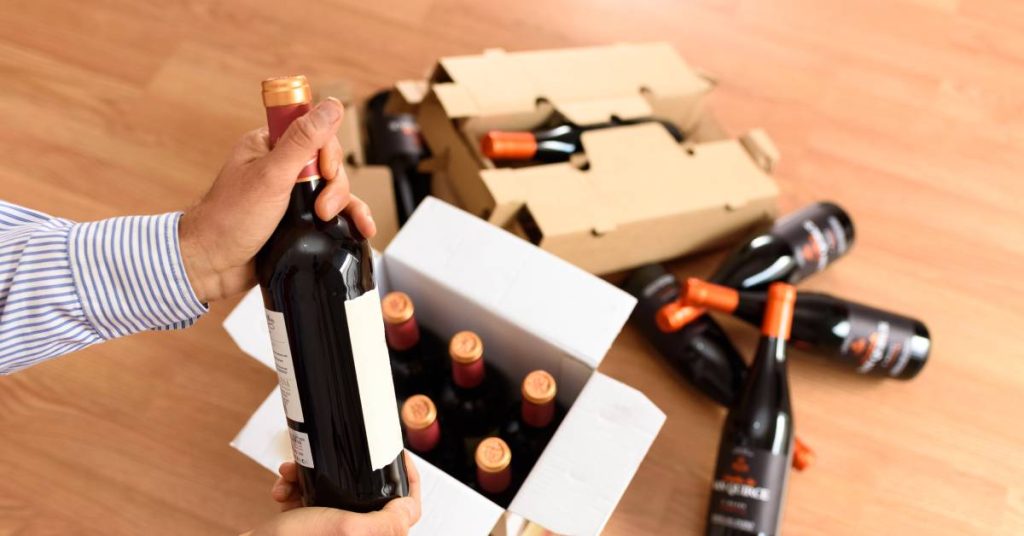
Working with specialized wine transport providers is the most effective way to preserve quality during transit. These professionals understand the unique requirements of wine, offering solutions such as temperature-controlled vehicles, insulated packaging, and expedited shipping. From ensuring proper handling to maintaining optimal conditions, professional wine transport services are invaluable for safeguarding wine quality. Partnering with a trusted provider ensures that every bottle arrives at its destination in pristine condition.
Now that you know what impact transportation has on wine quality, it’s clear that careful planning and specialized handling are essential. By prioritizing these considerations, you can protect your investment and deliver an exceptional experience to wine lovers.